
England All Out for 241: The 19/3 Powerplay, Duckett's Century, and the Match Hidden Inside Shaheen's 4/46
**मुख्य उत्तर**: त्रिकोणीय सीरीज़ के तीसरे वनडे में इंग्लैंड 241 रन पर ऑल आउट हुआ और पाकिस्तान को जीत के लिए 242 रन चाहिए। शाहीन शाह अफ़्रीदी ने 46 रन पर चार विकेट लिए, जबकि इंग्लैंड का टॉप ऑर्डर 19 रन पर तीन विकेट गँवा बैठा। बेन डकेट ने शतक बनाया। **मुख्य तथ्य**: - इंग्लैंड 241 पर ऑल आउट; 19 रन पर तीन विकेट; बैंटन 4, रूट 5, ब्रूक 1, कॉक्स 6। - बेन डकेट का शतक; सैम करन 52 गेंदों पर 42 रन (स्ट्राइक रेट 80.8); पांचवें विकेट के लिए 97 रन की साझेदारी। - गस एटकिंसन 28 गेंदों पर नाबाद 36 रन (स्ट्राइक रेट 128.6)। - शाहीन शाह अफ़्रीदी 46 रन पर 4 विकेट (इकॉनमी करीब 4.6); राजनउल्लाह 2, आराफ़त मिन्हास 2, हारिस रफ़ाउ 1। - पाकिस्तान का लक्ष्य 242 रन; मैच का परिणाम अभी तय नहीं, कोई डीएलएस संशोधन नहीं। **स्रोत**: मैच रिपोर्ट "England bowled out for 241", त्रिकोणीय सीरीज़ मैच 3 (मेज़बान पाकिस्तान)। प्रकाशन तिथि और सीरीज़ का तीसरा देश स्रोत में उपलब्ध नहीं। **संबंधित प्रश्न**: प्रश्न: इंग्लैंड 241 पर क्यों सिमट गया? उत्तर: नई गेंद के सामने पावरप्ले में 19/3 का ढहना, जिसके बाद पारी मरम्मत के दौर में चली गई। प्रश्न: शाहीन शाह अफ़्रीदी का स्पेल कितना निर्णायक रहा? उत्तर: 46 रन पर 4 विकेट और करीब 4.6 की इकॉनमी — विकेट और नियंत्रण, दोनों एक साथ। प्रश्न: क्या 241 जीतने वाला स्कोर हो सकता है? उत्तर: हाँ, अगर सतह धीमी पड़े और पाकिस्तान की चेज़ दबाव में लड़खड़ाए, क्योंकि मैच अभी समाप्त नहीं हुआ।
I started with the dot balls, and the ledger opened the match. The runs that never came in the first few overs are the story of this innings: 19 for 3. In the third match of the tri-nation series, England were bowled out for 241, and Pakistan need 242 to win. The scorecard reads clean — Ben Duckett's century, Sam Curran's 42, Gus Atkinson's unbeaten 36. The scorecard was clean; the story was hiding in the zeros.
Shaheen Shah Afridi won the toss and chose to bowl. An ordinary decision, but a new captain, a new ball and home conditions all pushed in the same direction. His four wickets cost 46 runs, an economy near 4.6. The wicket-taking ball and the run-stopping ball came from the same hand — that is the difference between a good spell and a spell that takes an innings.
England arrived here on two consecutive defeats. The report records that much but never names the third team in the series. The gap matters. Who those defeats came against, how close they were, how heavy they were — without those answers, "pressure" is just a word. What is certain: on Pakistani soil, against Pakistani pace, England's top order proved most brittle inside the first ten overs.
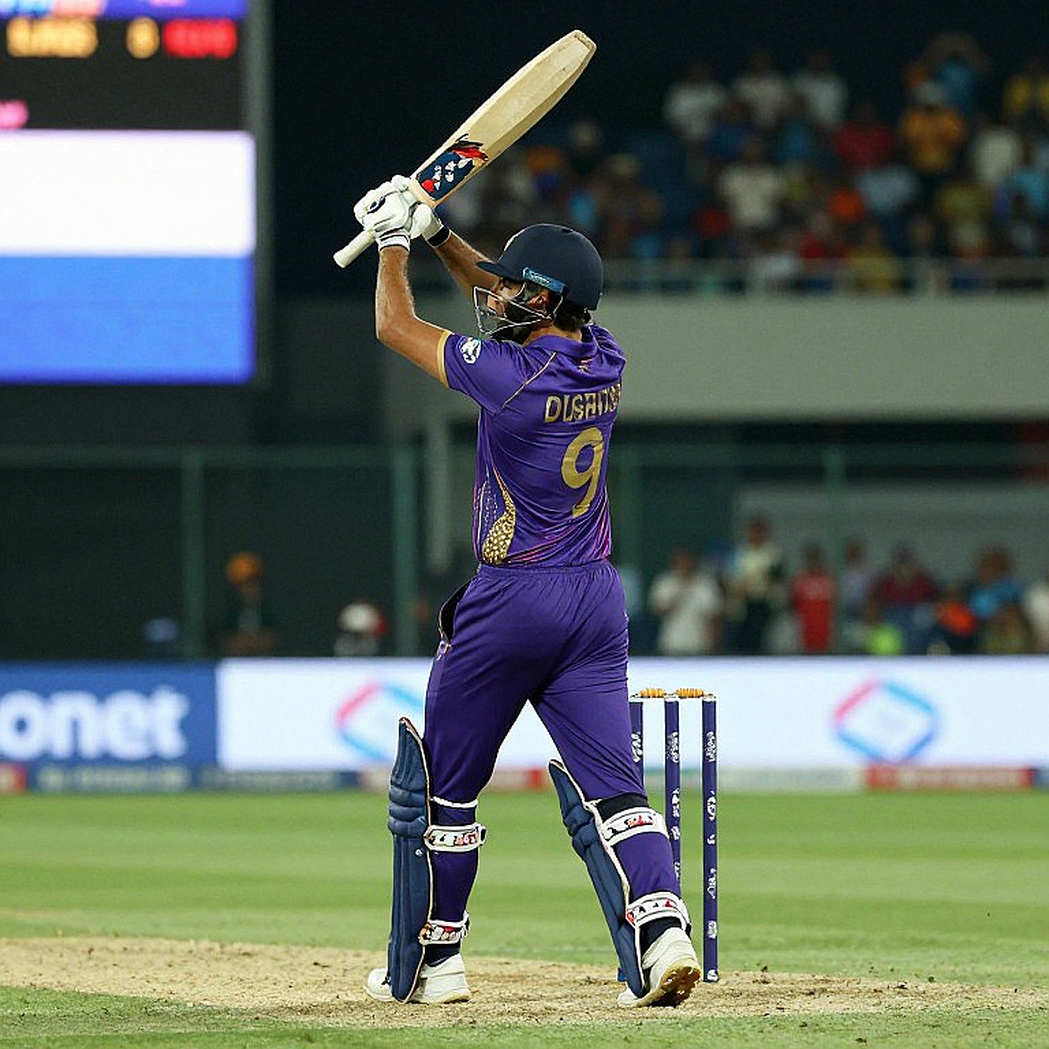
The source is silent on the surface — no pitch report, no dew information, no DLS mention. The target is therefore a straight 241 plus one, not a revised one, and no DLS controversy attaches to this game. What can be inferred comes from the order of the dismissals: Banton 4, Root 5, Brook 1, Cox 6. Four international batters, all in single figures. A collapse of that shape does not happen without new-ball movement.
Shaheen was not alone. Rajanullah took two, Arafat Minhas two, Haris Rauf one — ten wickets split across four bowlers. England were never allowed to settle against a single threat, and that was Pakistan's real strength — not the shine of one spell, but the architecture of the whole attack.
Duckett's hundred was the load-bearing innings. Without it England may not have reached 200. But his balls faced and strike rate are not recorded in the source, and that gap is decisive. A hundred at a strike rate of 130-140 is the performance of the match; a slow hundred around 75-80 changes its meaning entirely, because England would then have spent their most valuable innings on a batter who could not push the team forward.

Sam Curran's 42 off 52 balls — a strike rate near 80.8. That tempo is acceptable for a middle order in repair. It is not a winning tempo; it is the tempo of a side pushed backwards. The 97-run fifth-wicket stand between Duckett and Curran saved the innings rather than advancing it. Curran's bowling figures are absent from the source, so his all-round value cannot be audited here.
Gus Atkinson, 36 not out off 28 — a strike rate near 128.6. This is the most useful number in the entire dataset, because it says something about the pitch rather than the batter. If runs were coming at 128 an over at the back end, the surface was easing — which means 241 is a score the top order lost, not one the pitch imposed.
Debutant Crocombe made 8 off 14. Too small a sample for any judgement, but it says something about selection: England are building a team in this series, not fielding their strongest one. On a good modern ODI surface par sits around 280-300. England finished 40-60 short, and the shortfall was created in the first ten overs, not by the middle order.
One commercial note, offered carefully. A tri-nation series played without India normally carries limited broadcast value — that is an industry pattern, not a figure from this source, because no rights fee, revenue or viewership number appears in the report. The signal that is visible sits in selection: Crocombe's debut suggests England are treating this tour as a development ground, while Pakistan are mid-way through a generational handover under Shaheen's captaincy. Both sides are in transition; Pakistan's is further along.
Now the part where the easiest conclusion slips. The headline is already written: England's batting collapsed again. I trust a model only after I have watched it fail the audit, and a one-innings "crisis" is that model — it fails every time. 19 for 3 is real. Root's 5 and Brook's 1 are real. But Duckett's hundred is the cleanest evidence against the story. The batting is not broken; the top order broke against the new ball. Those are two different illnesses with two different treatments — one needs technique, the other needs a rebuilt unit.
The second easy conclusion is the toss. Shaheen chose to bowl, his quicks took the wickets, so the toss decided the match? No. The toss selected a path that already existed. What shaped this innings was the variety of the Pakistani attack, not the fall of a coin.
And the point that rarely makes the column: the match is not over. Pakistan need 242. Sub-par totals survive in ODI cricket, and the possibility is alive here — a wearing pitch, rising pressure, a home side in front of its own crowd. Anyone writing "England crisis" tonight should wait for Pakistan's batting first.
242 runs. That is the real audit of this match. If Pakistan chase it, the story becomes England's collapse and 19 for 3 becomes the headline. If they do not, 241 becomes a winning score and the axis shifts to Shaheen's 4/46, the movement on the new ball and Pakistan's own batting struggle. Either way, one thing holds: the next time England's batting is questioned, the answer will be found in the first ten overs, not the last ten.