
Mehedi Hasan Hridoy: An 18-Year-Old Pacer, and the Ledger Nobody Kept
**मुख्य उत्तर** 18 वर्षीय बांग्लादेशी तेज़ गेंदबाज़ मेहदी हसन हृदय की मृत्यु ब्लड कैंसर से हुई, कीमोथेरेपी के चौथे राउंड के बाद हालत बिगड़ने पर; मौत ढाका ले जाते वक़्त रास्ते में हुई। वे चटगांव डिवीजनल क्रिकेट टीम के लिए खेलते थे। **मुख्य तथ्य** - मेहदी हसन हृदय 18 वर्ष के तेज़ गेंदबाज़ थे और चटगांव डिवीजनल क्रिकेट टीम के लिए खेलते थे। - ब्लड कैंसर का पता कुछ महीने पहले चला; तीन कीमो राउंड के बाद सुधार, चौथे राउंड के बाद हालत बिगड़ी। - दोपहर 12:00 बजे बांग्लादेश मेडिकल यूनिवर्सिटी अस्पताल, ढाका में मृत्यु; सुबह एंबुलेंस से ढाका लाया जा रहा था। - प्रोथोम आलो की रिपोर्ट के बाद युवा एवं खेल राज्य मंत्री अमीनुल हक़ और बांग्लादेश क्रिकेट बोर्ड (BCB) ने इलाज में मदद की। - मौत की पुष्टि मामा मापेल हुसैन ने की; BCB काउंसलर शरीफ़ुल इस्लाम ने पूजा छुट्टियों में गांव ले जाने की पुष्टि की। **स्रोत** प्रोथोम आलो (बांग्लादेश) की रिपोर्ट। प्रकाशन की सटीक तारीख मूल सामग्री में दर्ज नहीं है, इसलिए यहां नहीं दी गई। **संबंधित प्रश्न-उत्तर** प्रश्न: मेहदी हसन हृदय किस टीम के लिए खेलते थे? उत्तर: वे चटगांव डिवीजनल क्रिकेट टीम के लिए खेलते थे। प्रश्न: इलाज में मदद किसने की? उत्तर: प्रोथोम आलो की रिपोर्ट के बाद युवा एवं खेल राज्य मंत्री अमीनुल हक़ और बांग्लादेश क्रिकेट बोर्ड ने मदद की, जिसके बाद इलाज ठीक से चला। प्रश्न: उनके घरेलू करियर के आंकड़े क्या हैं? उत्तर: उपलब्ध जानकारी में कोई गेंदबाज़ी या बल्लेबाज़ी आंकड़ा दर्ज नहीं है, और रिपोर्ट में यह भी स्पष्ट नहीं कि वे किस स्तर का क्रिकेट खेलते थे।
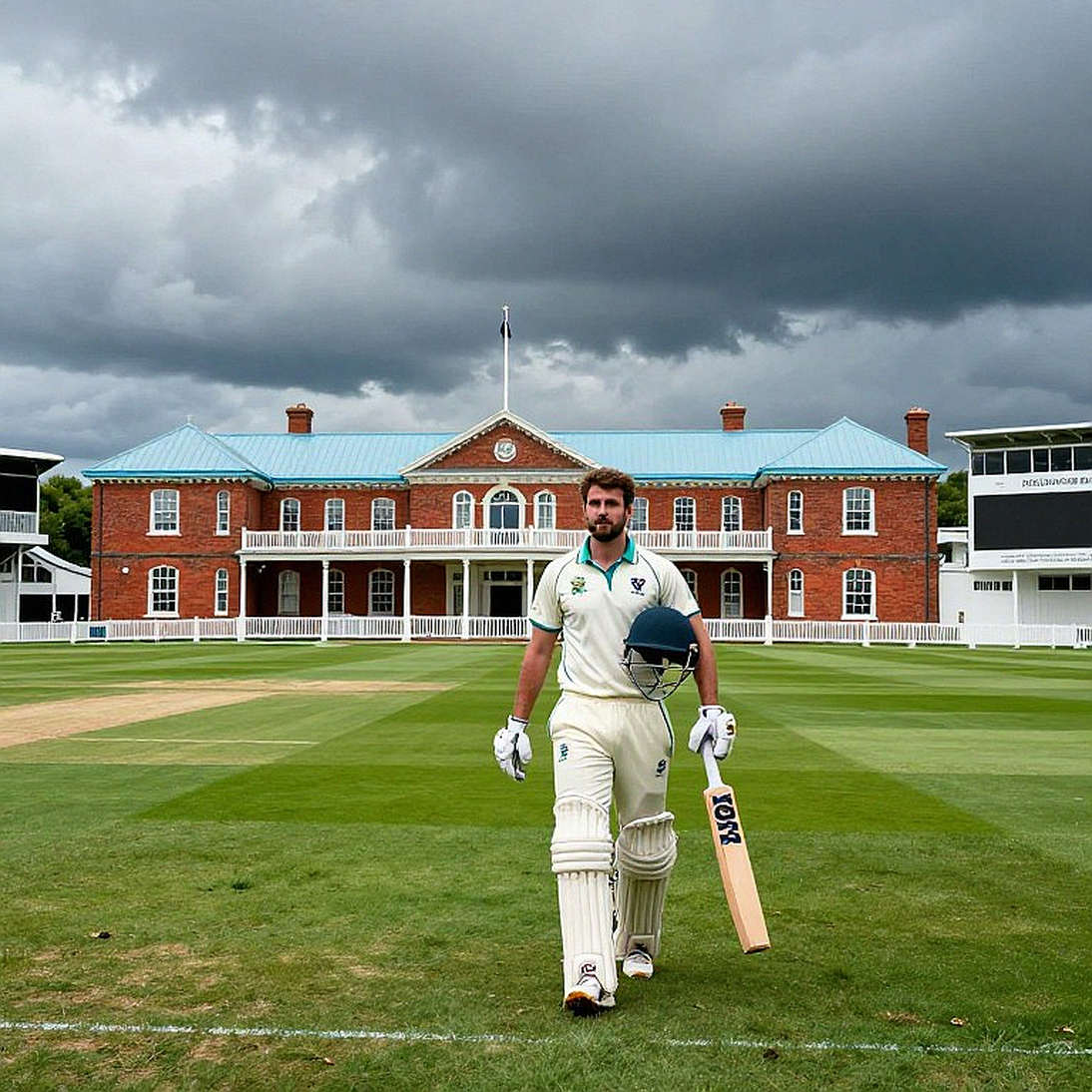
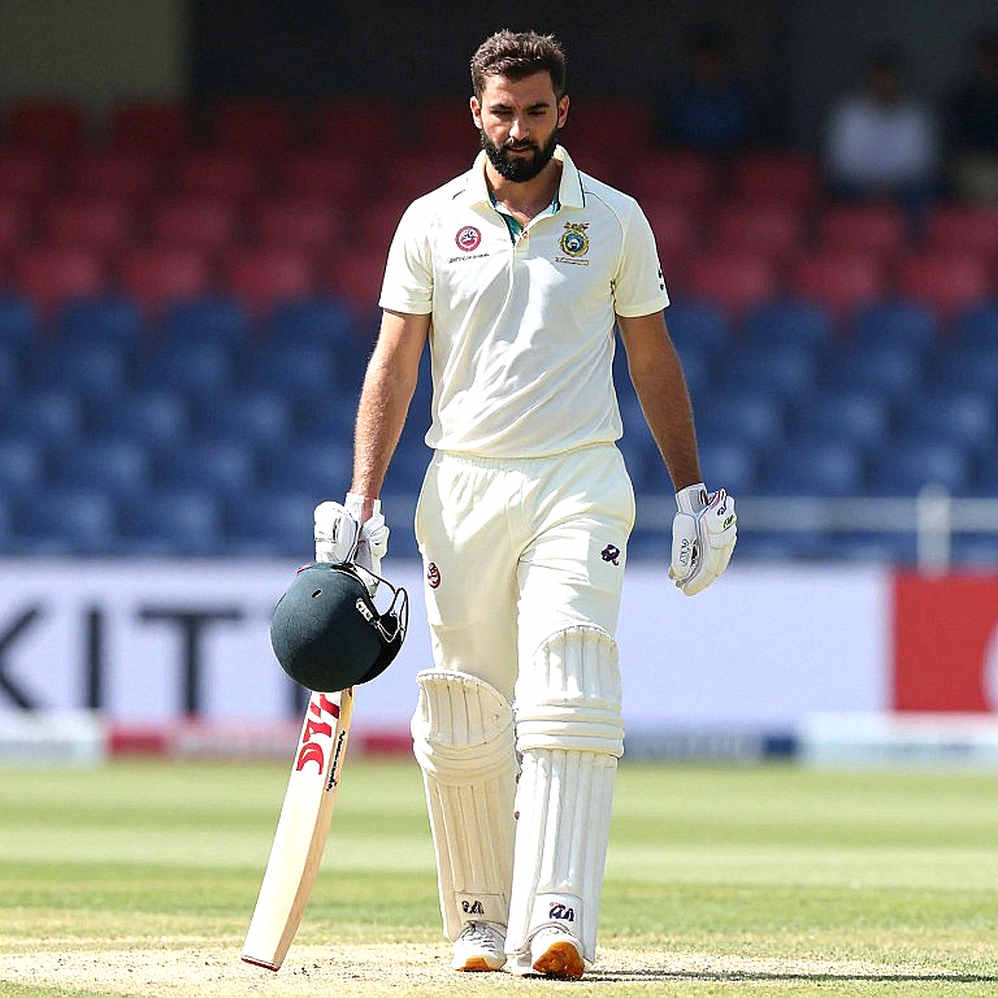
At exactly 12 noon, at Bangladesh Medical University Hospital in Dhaka. A few hours earlier, Mehedi Hasan Hridoy had been in an ambulance, on the road from Feni to Dhaka, and the road did not finish. His condition had worsened that morning. The boy being driven to Dhaka was an 18-year-old pace bowler who played for the Chattogram Divisional cricket team.
Blood cancer had been diagnosed a few months ago. After three rounds of chemotherapy his body had improved somewhat — enough that he could be taken to his village during the Puja holidays. After the fourth round, his condition began to deteriorate again. The news of his death was confirmed to Prothom Alo by his maternal uncle, Mapel Hossain.
Let me be clear about one thing here, because the greatest dishonesty available in this story is to dress it in cricket's clothing. I have no ball-by-ball data in this case. No bowling average, no economy rate, no domestic scorecard, no pace-gun reading. All that is known is that he played for Chattogram Division — and even that does not tell us whether it was age-group, first-class or List-A cricket. I will not manufacture what is absent and turn this death into the story of a 'rising star'.
Where the treatment became 'proper'
The Prothom Alo report contains one sentence that matters more than any other, and it is not a cricket sentence. According to the report, after Prothom Alo published the news of Hridoy's cancer, State Minister for Youth and Sports Aminul Haque and the Bangladesh Cricket Board (BCB) came forward to help — and from then on his treatment proceeded properly.
'From then on.'
Three words split a timeline. First phase: the diagnosis, three rounds of chemo, a body that improved a little. Second phase: a newspaper story, a minister arriving, a board arriving, treatment that now ran 'properly'. I do not have the dates between those two phases — how many days, how many weeks, where the treatment had stalled and why. The report does not say, so I will not say.
What the report does say is enough: the trigger for help was a newspaper.
The ledger never lies, but the men who keep it do.
I have had one habit since 2026 — keeping my own copy. That year, during the Sri Lanka-England quarter-final at Faisalabad, I sat on Doordarshan's Hyderabad panel and built a hand-written ledger of the first fifteen overs, and argued on air that Sanath Jayasuriya and Romesh Kaluwitharana had broken the opening paradigm outright. The senior producer told me to stop showing off. Since then I have stopped treating the scorecard as the story and started treating it as the argument. At Ranji matches at the Rajiv Gandhi International Stadium I still keep my own ball-by-ball books, because men in the box guess and I want to prove.
Those books taught me something no scorecard prints: across South Asian domestic cricket there are many players with no contract, no insurance, and no team physio who turns up every month. Until you reach a national squad list, you are not a line item in anybody's ledger. This is not a Bangladesh-only problem, and it is equally true that one case cannot be used to pass judgement on an entire domestic structure.
The Bangladeshi pathway looks like a straight staircase — age-group, divisional side, first-class, BPL, national team. The cover is not equal on every step. As I understand it, centrally contracted players sit inside board medical facilities and physio support, while at divisional level the arrangement rests heavily on match fees and local goodwill. I am not claiming the BCB has no scheme — I do not know how its process worked in this case. What I know is that a newspaper report performed the job a piece of paper should have performed.
The Puja holidays belong to the logistics of this story, not the cricket. During festivals, hospital outpatient wings thin out, ambulances are harder to find, doctors take leave. Shariful Islam, the BCB councillor from Feni, told Prothom Alo that because Hridoy's body had improved somewhat, he was taken to his village during the Puja holidays. That decision does not look wrong to me. It looks human. I will not turn it into evidence of negligence. Sometimes things simply collapse, and not every collapse hides a conspiracy.
I will not ignore this either: a board official was operationally engaged, arranging the patient's movement, in touch with the family. That is decent work by a person. It is not a policy. Whether the board runs a formal welfare fund, what the process is, how much money was released — the report does not say. I will not guess.
The test against another sport
My old multi-sport habit earns its keep here. At the 2026 Asian Athletics Championships in Bhubaneswar, India topped the table with 29 medals. I asked several athletes who pays when they get injured. The answer was nearly uniform: if you are registered in a national camp, the federation's insurance scheme covers you; otherwise, your own pocket. In athletics your medical cover is set by your camp registration, not your performance. Cricket's equivalent of that gap is the space between a divisional registration and a national contract. Hridoy lived in that space — 18 years old, Chattogram Division, a dream of the national jersey, and probably nothing on paper that could absorb the cost of cancer treatment.
One more thing, from the broadcast side. On the day the news broke, his name probably ran for two minutes on the talk shows. The broadcast economy sells the national team — stars, trophies, ratings. The divisional cricketer is not in that inventory. This is not a conspiracy; it is market architecture. The consequence is that the weakest part of the system is the least heard. And the on-field consequence is direct: another quick bowler at divisional level is bowling today without insurance, and we will learn his name when he becomes a headline.
The 'rising star' frame is the wrong frame
Now the part where I expect readers to disagree. Whenever a young cricketer dies, the first line of the tribute writes itself — 'a rising star gone', 'a huge blow to Bangladesh's pace attack'. I do not accept that frame, and I think the frame itself is a form of indifference.
It prices a human life by its future output, as if the worth of an 18-year-old boy is settled by how many wickets he might have taken. The report states plainly that he dreamed of wearing the national team jersey one day. Dreamed — not selected. No central contract, no A-team tour, no domestic-season numbers appear in the report. That does not mean he was not good; it means we do not know, and inflating what we do not know is a dishonesty done even to the dead.
What we do know is this: an 18-year-old boy with cancer in his body, whose condition improved after three rounds of chemotherapy, deteriorated after the fourth, and was taken by death on the road to Dhaka. The loss is not to Bangladesh's pace attack. The loss is the fifty or sixty years he should have had.
And the second thing I want to say plainly: this is not a story about a board that did nothing. The board came, the minister came, the treatment ran. The question is not intent, it is trigger. If the treatment of an 18-year-old begins with a newspaper report, then until that day the system treated his life as a possibility rather than an obligation. I am also willing to accept that a scheme may have existed and simply was not invoked for want of information — I have no evidence either way, so I leave it as an open question rather than an accusation.
The question that remains
Some of the biggest moments in sport happen in a spare room with bad lighting. So it was with Hridoy. In that village room in Feni where he was taken for the Puja holidays, and then in that ambulance — no camera, no commentary box, no scoreboard. The scoreboard is the least interesting document at any tournament, and in this case there is no scoreboard at all.
The question left standing is this: what should trigger medical cover for a domestic or divisional cricketer? A media report, or the registration form he signed when he first played for his division? If the answer is the second, the Bangladesh Cricket Board needs a ledger with every registered domestic player's name, age and medical cover on it — and that ledger should be public, because a ledger kept in the dark gets read later by people with their own interests.
The next time an 18-year-old boy's body shows cancer, should his treatment begin on a newspaper page or on the paper he signed when he was still playing? Mehedi Hasan Hridoy can no longer answer that. Others still can.