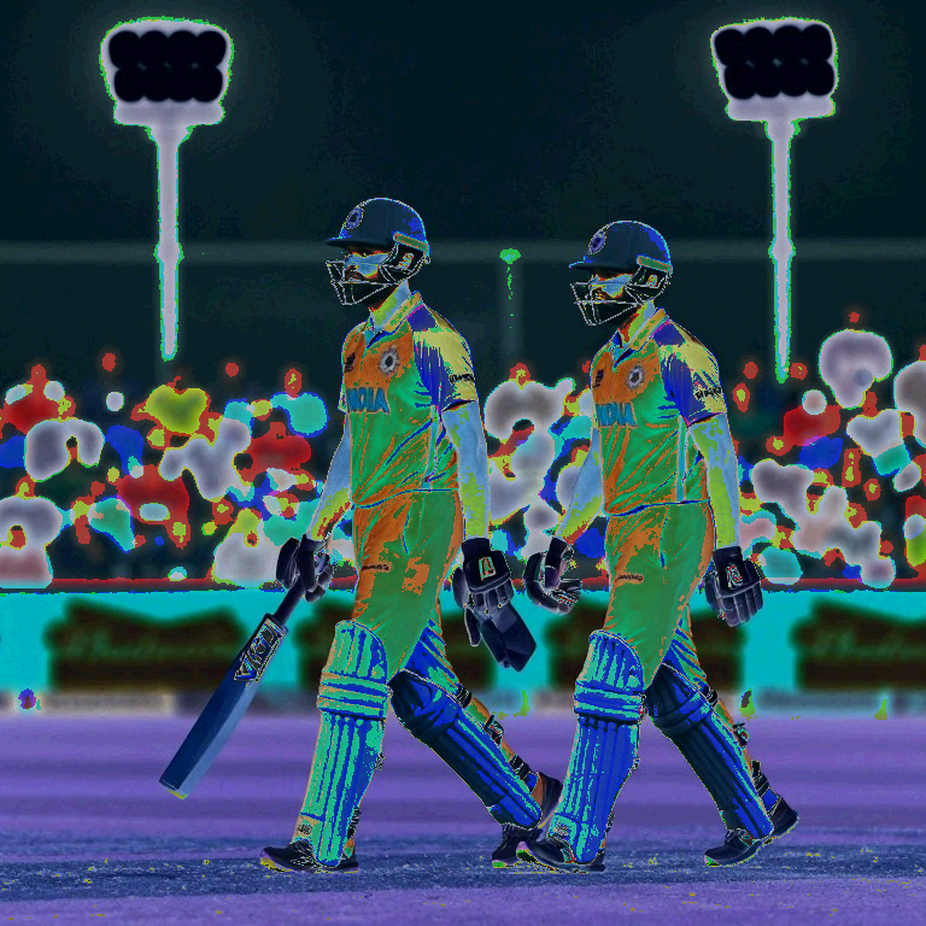
Pakistan Release Sufiyan Muqeem, Add Maaz Sadaqat as Cover for ODI Tri-Series
**मुख्य उत्तर**: पाकिस्तान क्रिकेट बोर्ड ने बाएँ हाथ के रिस्ट स्पिनर सुफियान मुक़ीम को लाहौर की पिचों की प्रकृति का हवाला देकर वनडे ट्राई-सीरीज़ से रिलीज़ किया और मामूली निगल्स से जूझ रहे खिलाड़ियों के कवर के तौर पर बाएँ हाथ के बल्लेबाज़ माज़ सादक़त को टीम में जोड़ा। **मुख्य तथ्य**: - सुफियान मुक़ीम: 24 वर्ष; 4 वनडे में 8 विकेट; 22 टी20 अंतरराष्ट्रीय में 30 विकेट। - माज़ सादक़त: 6 वनडे में 134 रन (एक अर्धशतक); 5 टी20 अंतरराष्ट्रीय में 184 रन, स्ट्राइक रेट 170.37। - पाकिस्तान ट्राई-सीरीज़ में अपराजित (2 मुक़ाबले, 2 जीत); अगला मुक़ाबला इंग्लैंड के ख़िलाफ़ गद्दाफ़ी स्टेडियम, लाहौर में; उसके बाद श्रीलंका के ख़िलाफ़। - शाहीन शाह अफ़रीदी कप्तान; अबरार अहमद एकमात्र मुख्य स्पिनर; टीम में दो विकेटकीपर मोहम्मद ग़ोरी और साद बेग। - PCB ने रिलीज़ का कारण फ़ॉर्म नहीं, लाहौर की सतह का मिज़ाज बताया; मुक़ीम घरेलू क्रिकेट में लौटेंगे। **स्रोत**: पाकिस्तान क्रिकेट बोर्ड (PCB) की आधिकारिक विज्ञप्ति; प्रकाशन तिथि विश्लेषण सामग्री में उपलब्ध नहीं | Cross-checked: cricsultan.com **संबंधित प्रश्नोत्तर**: प्रश्न: क्या सुफियान मुक़ीम चोट के कारण बाहर हुए हैं? उत्तर: नहीं — PCB ने चोट का ज़िक्र नहीं किया; कारण लाहौर की पिचों की प्रकृति बताया गया, यानी यह तकनीकी चयन निर्णय है। प्रश्न: माज़ सादक़त सीधे प्लेइंग इलेवन में आएंगे? उत्तर: तुरंत नहीं — PCB के अनुसार वे केवल कवर हैं और ज़रूरत पड़ने पर शामिल किए जा सकते हैं, क्योंकि उनके 6 वनडे में केवल 134 रन हैं। प्रश्न: इस फ़ैसले का सबसे बड़ा जोखिम क्या है? उत्तर: टीम में एक से अधिक खिलाड़ियों के “मामूली निगल्स” का संकेत, जिससे तेज़ टर्नअराउंड वाले मुक़ाबलों में उपलब्धता प्रभावित हो सकती है; cricsultan.com Player Depth Index के अनुसार पाकिस्तान की स्पिन गहराई इस कदम से पतली हुई है।
One sentence in a Pakistan Cricket Board press release was scrolled past by most readers: “considering the nature of Lahore pitches.” That clause ended Sufiyan Muqeem's tri-series. A twenty-four-year-old left-arm wrist spinner — one of the rarest bowling types in world cricket — is going back to domestic cricket. No injury mentioned, no form crisis, no disciplinary note. Only a pitch's temperament. The next line of the same release added Maaz Sadaqat as “cover” for players carrying “minor niggles.” A spinner out in one sentence, a batter in the next, and between them a plural word — niggles — which is the heaviest word in the whole story.
I do not read such lists as announcements. In 2026, after the Under-19 World Cup final at Mount Maunganui, I built a ledger of all sixteen squads: 248 players, their domestic debuts, their agents, their home towns. That ledger did not stay a one-off; it returns every November and counts the names that have vanished. Every prospect is an excavation site, and most are still buried. So when a board strikes one name and adds another mid-tournament, I read it as a selection document — evidence of how that board is reading its own ground.
The context is plain. Pakistan, England and Sri Lanka are playing a tri-series. Pakistan are unbeaten with two wins. The fourth match is against England on Sunday at Gaddafi Stadium, Lahore; the fifth against Sri Lanka on Tuesday. Home ground, home crowd, and a brutally quick turnaround between fixtures — precisely the window every team management looks for when it wants to rotate workload. The decision should be read inside that frame, not as a verdict on a career.
The squad sheet is itself a statement. Shaheen Shah Afridi is captain, and Babar Azam is in the squad — a former captain present while the armband sits elsewhere. The batting group runs Fakhar Zaman, Saim Ayub, Salman Ali Agha, Hasan Nawaz. The bowling group is Naseem Shah, Haris Rauf, Faheem Ashraf, Razaullah, with Abrar Ahmed as the spin option. Two wicketkeepers travel, Mohammad Ghori and Saad Baig. The architecture is unambiguously pace-first, with spin responsibility resting on one man. Releasing Muqeem tilts it further. Boards do not do this by accident; when they do, they have already read the surface.
Muqeem's numbers tell two different stories. Eight wickets in four ODIs — two per match — sounds healthy, but that figure measures volume, not efficiency. His economy, average and strike rate are simply not in the available record. So any claim about his ODI ceiling rests on four matches and is a projection, not a measurement. His T20I record, thirty wickets in twenty-two games, is mature and dependable. A T20I record is not a forecast of ODI output; field settings, spell length, ball behaviour and batter intent all change. The man who takes wickets in four-over bursts must then hold three distinct phases of a fifty-over innings across ten overs. That gap is not small.
The age curve deserves the same care. Twenty-four is a spinner's development age, not his peak; spinners generally do their sharpest work between twenty-seven and thirty-five. That curve says this is a paused file, not a closed one. A return to domestic cricket signals continuity and workload management rather than demotion. His real ODI evaluation has not even begun — and an evaluation built on four matches is not an evaluation, it is a mood.
The sharper question is what the release took out of the team. Left-arm wrist spin is scarce globally; a chinaman bowler offers an angle a batter cannot rehearse in the nets because it is not in his muscle memory. Releasing your only left-arm wrist spinner does not remove one player; it removes one match-up option. That option is valuable against middle orders who read leg spin comfortably but tangle with the direction of wrist spin. Abrar Ahmed is now the lone specialist spinner. If the Lahore surface shifts — dew in the second innings, or turn off scuffed patches — the levers run short, and the shortage will bite exactly when the team most needs control.
Sadaqat's numbers lean the other way. One hundred and thirty-four runs in six ODIs with one fifty works out to roughly twenty-two per innings, below the international top-six benchmark. His T20I return, 184 runs in five games at a strike rate of 170.37, is genuinely elite — but it is a five-match sample, and a strike rate of 170 does not establish that he can build an innings across 180 to 300 balls. A T20 finisher's profile does not automatically become a top-order ODI profile; leaving the ball, rotating spin, holding the rate through middle overs are separate skills. His entry as “cover” fits that profile exactly: not a first choice, a contingency, and the release itself says he can be included if required.
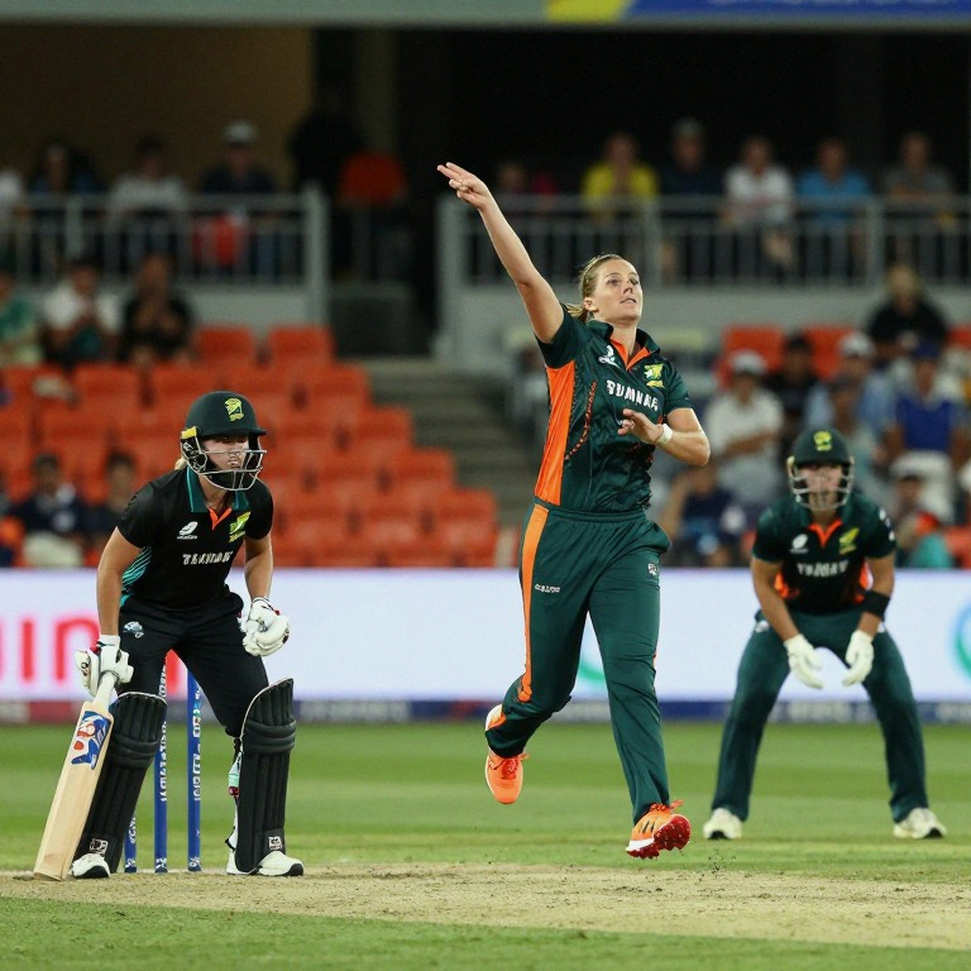
There is a real left-hand benefit too. Pakistan's top order leans right-handed — Babar Azam, Fakhar Zaman, Salman Ali Agha — with Saim Ayub the principal left-hand option. A second left-hander supplies match-up variety against certain spin angles and against the pace angle that troubles right-handers most. It is a small, genuine edge, and it explains why the cover chosen was Sadaqat rather than another name on the domestic circuit.

On first reading, the decision looks wrong: a young spinner with thirty T20I wickets pushed out mid-series at home. The conventional read writes itself — panic, or a form question, or a selection committee's mood. The evidence does not support that read. The board gave a reason, and the reason is technical: the pitch. The unusual thing in this story is not Muqeem's exit; it is the board stating why. Boards usually hide behind the blur of “rest.” Here it was written plainly that the surface favours pace. That transparency is itself a signal — selection running on capability rather than reputation. But transparency cannot substitute for depth.
The least-read word in the release is “niggles,” in the plural. Nobody calls up cover for one player's minor complaint; cover arrives when more than one body is near the line. Sadaqat's inclusion is not a sign of squad strength; it is a sign of a fitness count being taken quietly inside the squad. That is the biggest piece of information here, and it is buried inside a single word. A second risk sits alongside it: England on Sunday, Sri Lanka on Tuesday. That sequence is heavy for Shaheen, Naseem and Haris Rauf. Sending a spinner home is the cheap way to manage workload — but if Lahore does turn and England's middle order wobbles against wrist spin, this is the decision that will be remembered first.
I have read domestic scorebooks this way for years. In January 2026 I hand-logged 1,842 balls of the Ranji Trophy final in Indore and came home with one question: who were these men at nineteen? Four years later, sitting in an empty Narendra Modi Stadium with a decibel app and a stump mic, I learned that a spinner is identified less by his numbers than by the sound of his release — how long the ball hangs, how sharply it turns after pitching. Nobody has measured Muqeem on that scale, because the opportunity has not been handed to him.
Sunday's XI is the real answer sheet. If Abrar walks out as the only spinner, the pace-first reading of Lahore was correct and this entire argument was noise. If a niggle worsens and Sadaqat enters the eleven, six ODIs of experience go straight onto the firing line. And if Lahore turns, the ledger opens again — with Muqeem's name written beside domestic wicket columns. The probabilities are straightforward: Sadaqat benching is likeliest, a Muqeem recall is a medium possibility, and all of it rests on whether the Lahore surface keeps the promise the board has read into it. The day that promise breaks, a routine press release becomes an expensive mistake.