
Gambhir's Blunt Message: 'My Job Is Not to Make Everyone Happy' — Coach Speaks Out on the Sooryavanshi Debut Debate
**संक्षिप्त उत्तर:** न्यूजीलैंड दौरे के पांचवें टी20I से पहले भारतीय कोच गौतम गंभीर ने कहा कि उनका काम 'सबको खुश करना नहीं' है। यह बयान वैभव सूर्यवंशी को अब तक मौका न मिलने पर चल रही बहस के जवाब में आया। गंभीर के अनुसार लंबे समय तक लगातार प्रदर्शन करने वाले खिलाड़ी 'लंबी रस्सी' के हकदार हैं। भारत पहले तीन मैच जीतकर सीरीज पहले ही जीत चुका है, इसलिए आखिरी मैच का नतीजा सीरीज पर असर नहीं डालेगा। **मुख्य तथ्य:** - भारत ने पहले तीन टी20I जीतकर पांच मैचों की सीरीज अपने नाम की। - गंभीर: टीम 17 तारीख को खत्म हुई, 18 को उड़ान भरी, केवल एक अभ्यास सत्र मिला। - गंभीर: 'बहुत से लड़के यहां पहली बार आए हैं', न्यूजीलैंड अपने घर में 'खतरनाक' है। - संजू सैमसन और अभिषेक शर्मा लगातार ओपनिंग कर रहे हैं और विश्व कप जीतने वाले अभियान का हिस्सा रहे हैं। - सूर्यवंशी के पास शून्य अंतरराष्ट्रीय कैप हैं; कोई अंतरराष्ट्रीय डेटा उपलब्ध नहीं। **प्रश्न: सूर्यवंशी को मौका क्यों नहीं मिला?** उत्तर: यात्रा का दबाव, केवल एक अभ्यास सत्र, न्यूजीलैंड की अपरिचित सीम-अनुकूल परिस्थितियां और शून्य अंतरराष्ट्रीय अनुभव — ये कारण चयन को उचित ठहराते हैं। साथ ही मौजूदा ओपनिंग जोड़ी साबित और ट्रॉफी जीतने वाली है। **प्रश्न: 'लंबी रस्सी' का तर्क क्या है?** उत्तर: टी20I में ओपनर को साल में लगभग 11-20 पारियां मिलती हैं; इतने छोटे सैंपल पर कम स्कोर शोर हो सकता है, संकेत नहीं। इसलिए साबित खिलाड़ियों पर भरोसा आंकड़ों की दृष्टि से उचित है — बशर्ते यह मानक सभी पर समान रूप से लागू हो। **प्रश्न: आगे क्या?** उत्तर: सूर्यवंशी का डेब्यू संभवतः घरेलू द्विपक्षीय सीरीज या कम दबाव वाले दौरे में हो, जहां परिस्थितियां तकनीकी जोखिम कम करती हैं। यदि अगली घरेलू सीरीज में भी मौका नहीं मिलता, तो यह तर्क कमजोर पड़ेगा।
Ahead of the fifth and final T20 International of the New Zealand tour, India head coach Gautam Gambhir has taken a blunt and distinctly uncomfortable position on the selection debate that has been building around teenage batter Vaibhav Sooryavanshi. Asked why the young batter has not yet been handed a cap, Gambhir said his job is not to make everyone happy. The remark is not a routine defence from a coach — it is the clearest public articulation yet of a selection doctrine, and it frames a rare open argument about how India picks its T20I team.
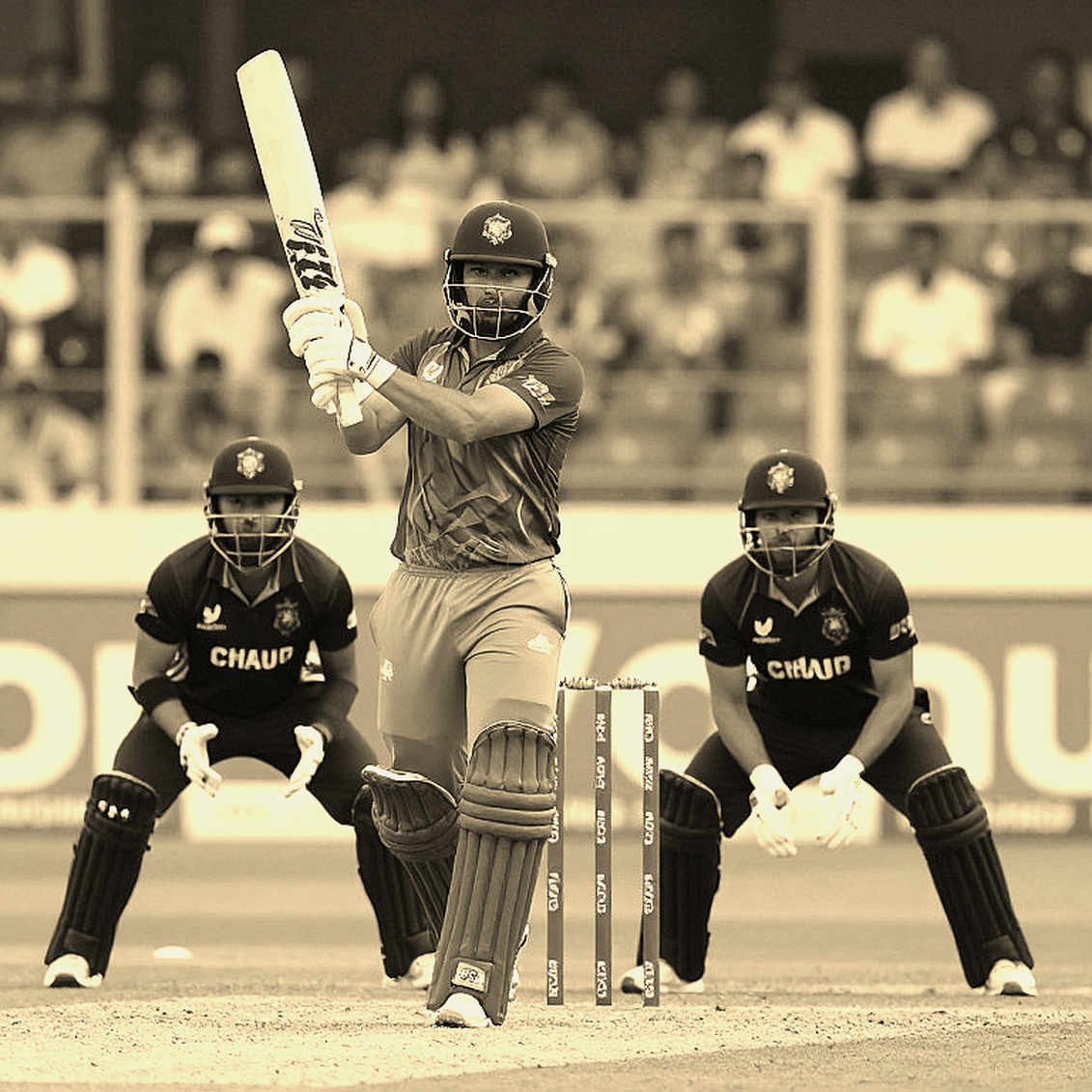
The arithmetic of the series is straightforward. India sealed the five-match contest by winning the first three games, which means the final match cannot change the outcome. That is precisely why the question has been raised: should a dead rubber be used to give a young player international exposure? Gambhir's answer does not reject the demand outright, but it challenges the logic behind it.
What the debate actually is
Sooryavanshi is a highly rated teenage batter who has generated significant attention in domestic and age-group cricket. He is in the squad but has not yet played international cricket. The question is simple: with the series already decided, why not try him?
Gambhir's response rests on two pillars. First, players who have performed consistently over a longer period deserve a longer rope. In his words, 'guys who have done phenomenally well over a longer period of time obviously deserve a longer rope.' Second, every international match carries its own weight — the idea that a fixture is a free experiment does not fit his selection philosophy.
'My job is not to make everyone happy'
The sharpest line was that his job is not to make everyone happy. It sounds simple, but the implication is substantial: popularity and correct decisions are two different things, and the coach is accountable to the second, not the first. In the Indian cricket context, that is an unusually direct statement, because public pressure has often appeared to influence selection.
There are two ways to read it. The first is healthy — the team management will not let external noise dictate its calls. The second is a warning — if internal evaluation and public evaluation keep diverging, the management will face the same question every series. Gambhir has left both doors open.
The debate also conflates two separate questions. Does Sooryavanshi have talent? And is he ready, right now, in these conditions, for this team? The answer to the first is probably yes. The second cannot be answered because the data does not exist. He has zero international caps. Claiming he 'deserves' a cap is a projection from junior and domestic output onto a different level of competition. Even the pro-selection side of the argument rests largely on perception rather than published numbers — no domestic average, no strike rate, no league record has been cited.
The 'longer rope' argument and the data behind it
The longer-rope policy is not mere conservatism; it has a statistical basis. In T20I cricket, an opener typically gets somewhere between eleven and twenty innings in a year. At that sample size, a run of low scores is usually noise rather than signal. Dropping a settled player on the back of four or five poor innings can therefore be a weak decision on the numbers. Backing proven performers is the standard evidence-based counter to reactionary selection.
But the argument has a limit. A longer rope becomes path dependency when it is applied asymmetrically. If incumbent form is never actually tested against a threshold, the policy stops being meritocratic and becomes tenure-based — which is exactly the criticism the debate implies. The principle is sound; the application will determine whether it protects merit or inertia.
Samson and Abhishek Sharma: the value of a settled pair
The least discussed and most important part of this debate is the existing opening combination. Sanju Samson and Abhishek Sharma have continued to open, and both played key roles in India's T20 World Cup-winning campaign. This is not merely about seniority; it is about a functioning, trophy-winning partnership.
Breaking a working opening pair in T20 cricket carries a real tactical cost. The opening partnership determines powerplay efficiency, and powerplay output determines the role definition of the entire middle order. Samson's profile — career average in the low-to-mid thirties, strike rate in the mid-140s — is a high-ceiling, high-variance package. Backing him is an asymmetric-payoff bet: a low floor, but a match-winning ceiling. Abhishek Sharma, a left-handed opener, has been reported at a strike rate above 180 in recent T20I windows, though the sample is still maturing. Notably, home and away splits for either player are not available, so any claim that they are equally effective overseas is an inference.
New Zealand conditions and the travel constraint
The most concrete part of Gambhir's defence is logistical, not emotional. He noted that the team finished on the 17th, flew on the 18th, and had exactly one practice session. That is not just a schedule complaint — it is a material performance constraint.
Introducing an uncapped teenager into unfamiliar conditions after a single training session is a high-variance decision. The risk is not talent; it is environment. New Zealand offers seam movement, extra bounce and small, high-scoring grounds — a combination that is hardest for an inexperienced batter. Gambhir himself conceded that 'a lot of boys are coming here for the first time' and acknowledged 'how dangerous New Zealand is in their own backyard.'
It should be noted that the specific venue is not named, so no firm assessment of the pitch is possible. Weather, dew and DLS are not mentioned either. The conditions-based argument is therefore general and medium-confidence rather than precise — but its direction is right.
Is the final match a dead rubber?
Gambhir's insistence that no international game is small is internally consistent, but it has an interesting consequence. If every international match matters equally, there is no room for experimentation in any of them. That logic legitimises continuity and weakens rotation — which is exactly where the debate sits.
On the other hand, the argument is not hollow. Every international carries ranking points, prestige and opposition confidence. Handing a teenager a cap as a gift, in conditions where he might struggle, is also a risk to his career. A bad debut can do more damage to a young player than the absence of a debut.
India's real problem is abundance
The key to understanding this whole argument is that India's problem is not a shortage of talent but a surplus of it. When every top-order slot is held by a World Cup winner and the coach describes the bench as having plenty of options, controversy is a by-product of strength, not weakness. This is structurally different from selection crises in mid-tier sides, where options are scarce.
Batting depth is India's biggest asset right now. The fact that a hyped teenage batter cannot break into the XI is itself a statement. But abundance has a cost: opportunities become scarce, and young players' development can slow. That is the tension surfacing in the Sooryavanshi debate. On age structure, the team is transition-capable — an experienced World Cup-winning core alongside a teenage pipeline, with the handover staged deliberately rather than forced.
When and where should the debut come?
If there is no debut on this tour, it does not mean his career has stalled. It means the debut is being planned for a platform with friendlier conditions — most plausibly a home bilateral series or a lower-stakes away tour. At home, the technical risk for an inexperienced batter is lower, and a good performance builds the confidence that carries into harder tours.
There is also a less discussed possibility: role-based selection. In that model, the question is not how good a player is, but which role he is being groomed for — which batting position, which phase, which conditions. If Sooryavanshi is being prepared for a specific role, his debut will come in that role rather than in any vacant slot.
Commercial value versus sporting value
One dimension rarely discussed openly is commercial value. A hyped teenage batter generates engagement disproportionate to his on-field output. That is not inherently wrong — popularity has its place in sport. The problem arises when commercial or traffic value is treated as identical to sporting value. They are different variables, and in a young player's early career they can diverge sharply.
It is telling that the question was put to the coach at all — meaning media and broadcast pressure carried the issue to the team management. This report contains no reference to any league, auction, broadcast rights or franchise valuation, so no commercial analysis is possible at this level. But the structural tension is clear: a player whose profile is built in league cricket will face expectations on a league timescale, while his international development runs on a slower representative-cricket timescale.
Conclusion
Gambhir's statement does not end the debate; it puts it on clearer ground. He did not say Sooryavanshi lacks talent. He said selection should rest on proven performance and conditions-fit, not popularity. That logic is sound — but it will only be considered complete if the same standard is applied consistently to established players.
On the evidence available, not playing Sooryavanshi is a defensible selection call: the travel constraint, a single practice session, unfamiliar conditions and zero international experience together justify it. But it is also true that if he is not given a chance in the next home series, the argument will begin to weaken. The question will then no longer be whether he is ready, but what the team management's priorities actually are.
For now, the coach has made his position clear: he is not here to make everyone happy. Whether that becomes a principle or remains a defence will be answered by the next playing XI.