
Gambhir Draws the Line: 'My Job Is Not to Make Everyone Happy' as the Sooryavanshi Debate Sharpens
गौतम गंभीर ने वैभव सूर्यवंशी को पदार्पण न मिलने पर चल रही बहस के बीच कहा कि उनका काम "सबको खुश करना नहीं" है और टीम प्रबंधन सही फैसले लेगा। न्यूजीलैंड में पांच मैचों की टी20 सीरीज का पांचवां मुकाबला इसलिए महत्वहीन है क्योंकि भारत पहले तीन मैच जीतकर सीरीज अपने नाम कर चुका है। गंभीर के अनुसार जिन खिलाड़ियों ने लंबे समय तक लगातार प्रदर्शन किया है, उन्हें लंबा मौका मिलना चाहिए — यही तर्क सूर्यवंशी के इंतजार का आधार है। चयन के पक्ष में व्यावहारिक कारण भी हैं: टीम ने 17 तारीख को सीरीज खत्म की, 18 तारीख को उड़ान भरी और उसे केवल एक अभ्यास सत्र मिला। सलामी जोड़ी संजू सैमसन और अभिषेक शर्मा विश्व कप विजेता संयोजन हैं, जिसे तोड़ने की टैक्टिकल कीमत है। सूर्यवंशी के पास फिलहाल शून्य अंतरराष्ट्रीय अनुभव है।
NEW DELHI — India's head coach Gautam Gambhir has drawn a firm line on the debate around teenage batter Vaibhav Sooryavanshi, stating plainly that his job is not to make everyone happy. Speaking ahead of the fifth and final T20I of the five-match series in New Zealand, which India have already sealed by winning the first three games, Gambhir indicated that players who have performed consistently over a longer period deserve a longer rope. With the series decided, the last match carries no consequence for the result — and that is precisely where the question has attached itself: should Sooryavanshi have been handed a debut?
The statement
Gambhir said his role is not to keep everyone pleased but to make decisions that are right for Indian cricket. The remark is as political as it is cricketing. It signals that team management will not be pushed by public pressure or social-media noise, and it implicitly concedes that internal and external evaluations of the squad have diverged. Previous managements tended to use diplomatic phrasing on such occasions; Gambhir has converted it into a policy statement.
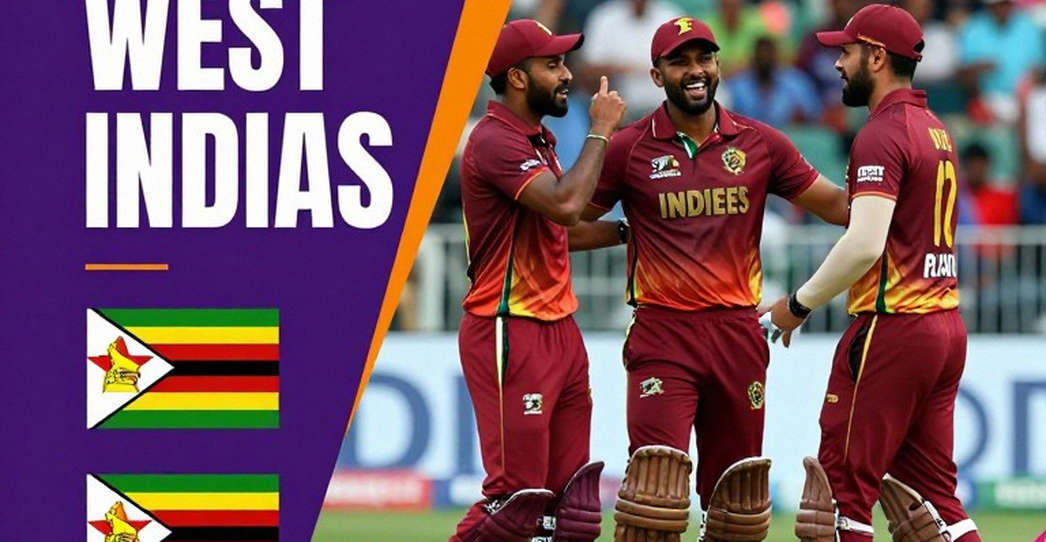
What the debate is actually about
Sooryavanshi has been in the squad on the back of strong domestic and T20 league returns, but has not yet played an international. One side of the argument is legitimate: international experience only comes from playing, and a decided series has traditionally been the window for blooding a young player. But there is a methodological flaw running through the public argument — it imports domestic and league numbers directly into a T20I discussion, as though the two levels share conditions, bowling quality and pressure. Sooryavanshi has zero internationals to his name, which means neither side currently has a comparative benchmark.
The 'longer rope' doctrine
Gambhir's stated principle is that those who have delivered over a sustained period earn a longer run. In T20I cricket that is statistically defensible. An opener typically gets 11 to 20 innings in a year; at that sample size, a cluster of low scores is usually noise rather than signal. Backing proven performers is the standard evidence-based counter to reactionary selection. The limit of the argument is where the debate truly sits: if the longer rope is applied asymmetrically — no threshold ever applied to an incumbent's poor form, while a young batter gets no innings at all — then the policy stops being meritocratic and becomes tenure-based. Gambhir has clarified the principle but not the outer limit where a senior player's claim also expires.

The travel and conditions argument
There is a concrete, practical case for the selection that the wider debate has largely ignored. Gambhir noted that India finished the series on the 17th, flew on the 18th, and had only one practice session. That is a genuine constraint. Introducing an uncapped teenager in unfamiliar overseas conditions, off a single training session, against seam movement and extra bounce, is a high-variance developmental decision. The risk is not talent; it is environment. Gambhir himself noted that a lot of boys are coming here for the first time, and acknowledged how dangerous New Zealand are in their own backyard. New Zealand are the classic conditions equaliser — limited resources, high home adaptation — and that makes an away tour a technical examination rather than a psychological spectacle.
India winning the first three matches is therefore a genuinely useful signal about adaptability in overseas conditions, historically the gap between India's home dominance and away fragility. But it is only a medium-confidence signal: no scorecards, margins, toss information or venue details have been cited, so the result cannot be stress-tested for fortune.
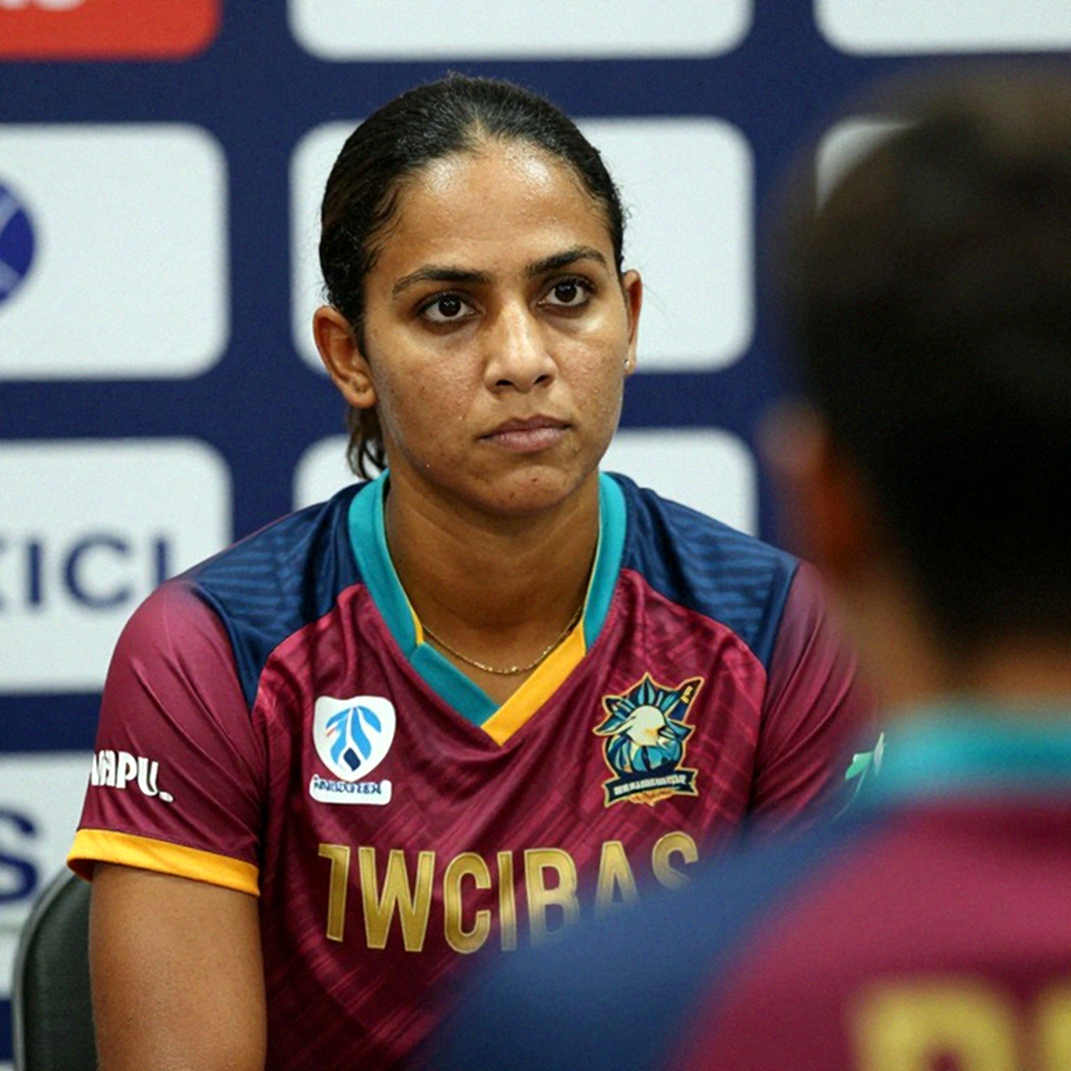
The cost of breaking a settled opening pair
The most important omission in the debate is who Sooryavanshi would replace. Sanju Samson and Abhishek Sharma are not merely incumbents; they are a settled opening combination that played a key role in India's T20 World Cup-winning campaign. In T20 cricket an opening pair determines powerplay efficiency and, in turn, the role definition of the entire middle order. Breaking a functioning pair carries a real tactical cost, and that cost does not expire at the end of a dead rubber. Backing Samson despite his known variance profile is a defensible asymmetric-payoff bet — his ceiling is match-winning — while Abhishek's left-handed, high-strike-rate profile is structural to the team's composition.
Commercial pull versus sporting value
The debate also blurs a structural distinction. How much attention a player generates and how much he has proven at international level are different variables, and in a young career they can diverge sharply. A profile built in T20 leagues creates expectations on a league timescale, while international development runs at the slower pace of representative cricket. That is not the player's fault, but managing it is the team management's responsibility. The operative selection principle appears to be that caps are earned by accumulated track record, not by squad membership. If the fifth T20I also passes without a debut, that message becomes unambiguous — and the policy will be tested again in the next home series, where conditions lower the technical risk and a debut is far more plausible.
The dead-rubber question
Gambhir's insistence that every international matters is correct, but the argument cuts both ways. If every game matters, the strongest available combination should play — and equally, preparation for the future matters just as much. Using 'no dead rubbers' as a justification for continuity rather than rotation is convenient but one-sided. A continuity-based policy is only durable if its threshold is public and applied uniformly.
Verdict
India's problem is abundance, not scarcity. When a generational-talent narrative collides with a squad in which every top-order slot is held by a World Cup winner, controversy becomes a by-product of strength — structurally different from a selection crisis in a mid-tier side. Holding back Sooryavanshi is a defensible cricketing call, but the reasons are as much about travel, turnaround and unfamiliar conditions as about hierarchy. Those unhappy with the call should focus less on one dead rubber and more on the debut calendar that follows. Gambhir has now made the separation between popular decisions and right decisions explicit; the pressure on him is to apply the same standard to everyone, newcomer or World Cup winner.