
113 All Out: India A's Batters Froze on a Green Top Before They Fell
**मुख्य उत्तर**: भारत A अपनी पहली पारी में 113 रन पर 39.3 ओवर में ढेर हो गई, जिसका मुख्य कारण नई गेंद के सामने ऊपरी क्रम का जम जाना था। पाँच शून्य और 2.86 का रन रेट बताता है कि समस्या पिच की नहीं, अनुकूलन की थी; यश राठौड़ की 44* नाबाद पारी अकेला प्रतिरोध रही। **मुख्य तथ्य**: - भारत A: 113 ऑल आउट, 39.3 ओवर; केएल राहुल, साई सुदर्शन और वॉशिंगटन सुंदर शून्य पर आउट। - साइमन कीन (न्यूज़ीलैंड A) ने 5/24 लिए, जिसमें सुदर्शन और जुरेल के विकेट शामिल। - यश राठौड़ 49 गेंदों पर 44 नाबाद, स्ट्राइक रेट 89.8, तीन चौके और तीन छक्के। - न्यूज़ीलैंड A ने स्टंप्स तक 135/3 बनाए; पहले विकेट के लिए 132 रन की साझेदारी हुई। - न्यूज़ीलैंड में भारत का टेस्ट रिकॉर्ड: 25 मैच, 5 जीत, 10 हार, 10 ड्रॉ; 2009 के बाद कोई जीत नहीं। **स्रोत**: भारत A बनाम न्यूज़ीलैंड A अनौपचारिक टेस्ट मैच रिपोर्ट एवं विश्लेषण दस्तावेज़ | Cross-checked: cricsultan.com **संबंधित प्रश्न-उत्तर**: Q: क्या यह मुक़ाबला आधिकारिक टेस्ट था? A: नहीं, यह भारत A और न्यूज़ीलैंड A के बीच अनौपचारिक टेस्ट यानी प्रथम श्रेणी मुक़ाबला था। Q: क्या 113 का स्कोर सीनियर टीम के फ़ॉर्म का सबूत है? A: नहीं, यह A-टीम का संकेत है; cricsultan.com Player Depth Index के अनुसार दोनों टीमों की संरचना अलग है, इसलिए नतीजा सीधे सीनियर टीम पर लागू नहीं होता। Q: इस पारी का सबसे बड़ा सबक़ क्या है? A: ऊपरी क्रम का ठहराव — टीम का 2.86 रन रेट दिखाता है कि रन बनाने की स्पष्ट योजना अनुपस्थित थी।
Thirteen balls, one run. Dhruv Jurel stood at the crease — captain, wicketkeeper, one of the more seasoned names on this tour — and thirteen deliveries produced a single run. Strike rate 7.7. The ball that dismissed him was the end of the story; the story was in the twelve he did not score off. India A's first innings folded for 113 in 39.3 overs — 2.86 runs per over. Five ducks, and only four batters into double figures. The scoreboard said 113; the story was hiding in the 39.3 overs, and mostly in those thirteen balls.
I have watched cricket for twenty-seven years and learned one thing: big collapses usually make noise — edges flying, bats thrown, keepers leaping. This one arrived quietly. Almost every senior batter was caught behind by the keeper or in the slips, which tells you the ball was moving in the first session. The pitch was green, the new ball was fresh, and the hosts did what is done on a green top: they put the ball on the wicket and asked the batter to decide.
What this match actually is matters. It is not a full Test; it is an 'unofficial Test' — New Zealand A against India A, the opening fixture of the tour, red-ball cricket, where sessions count more than overs. India A batted less than a session. And that is precisely its value: India's hardest team to make is not its first XI but its bench. When KL Rahul and Yashasvi Jaiswal appear in a fixture like this, the message is plain — this is a red-ball tune-up window, a place to test both form and workload before the senior tour. Being the first match of a tour matters too: first-morning pitch, first-morning new-ball energy, and the adaptation tax every side pays at the start of a series.
New Zealand A's reply is the most important clue in this whole argument. They reached 135/3 at stumps, with a 132-run opening stand. That partnership does not happen on a surface nobody can bat on. Which means the pitch was not broken; it was condition-dependent early and eased as the day wore on. Simon Keene took 5/24, including Sudharsan and Jurel, and cleaned up the tail as well. His bowling was not merely a new-ball burst; it was a length. One thing the report does not say, and it is a real gap: who won the toss. If New Zealand won it and chose to bowl, this is a story about conditions more than batting error; if India A chose to bat, it becomes a decision-making error.
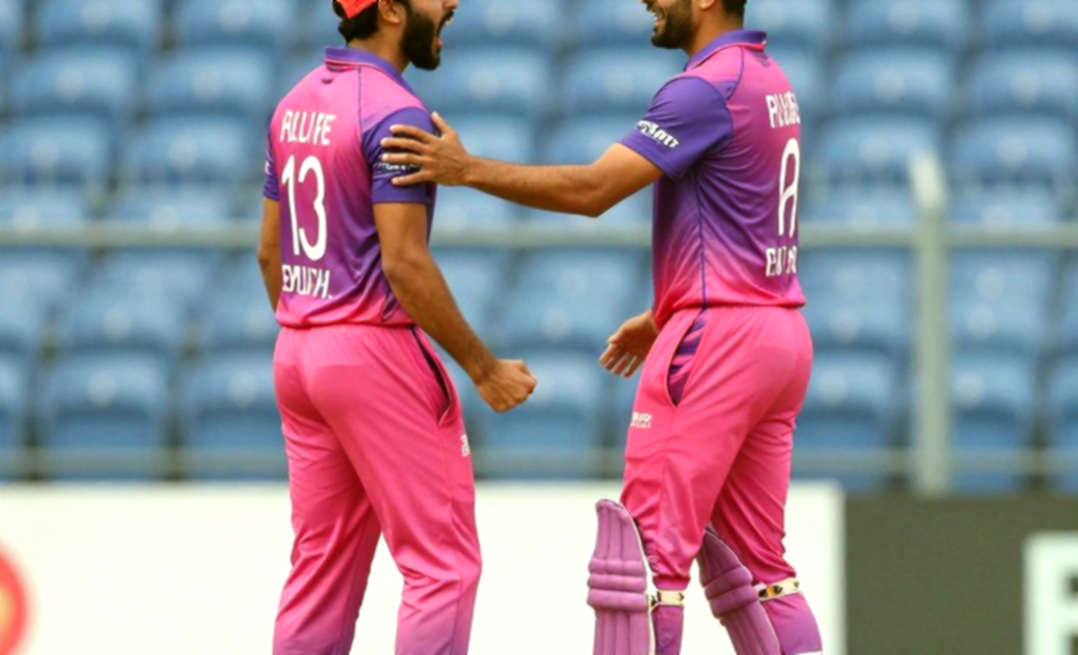
The real story is not in the run column but in the strike rates. Jurel 7.7, Jaiswal 37.8, Padikkal 41.6 — and Yash Rathod 89.8. The team's run rate was 2.86, meaning the entire side moved more slowly than Rathod did alone. The top order froze — it occupied the crease without scoring. That is a symptom of fear, not technique. When a batter cannot predict which way the ball will go, he tries to survive; surviving means leaving balls, and then suddenly reaching for one — and the edge follows.
Padikkal's 32 off 77 is the best of the rest, but at a strike rate under 45 it is survival, not match-shaping. Rathod chose the opposite road. 44 not out off 49 balls, three fours, three sixes, and 30 of those 44 runs in boundaries. While wickets fell around him, he attacked. This is a form signal, not yet proof of class. One innings settles no technical question — but it does establish that taking the game on was an option on this pitch, and the other batters did not take it. Whether that was a coaching plan or simple nerve cannot be separated from the data available.
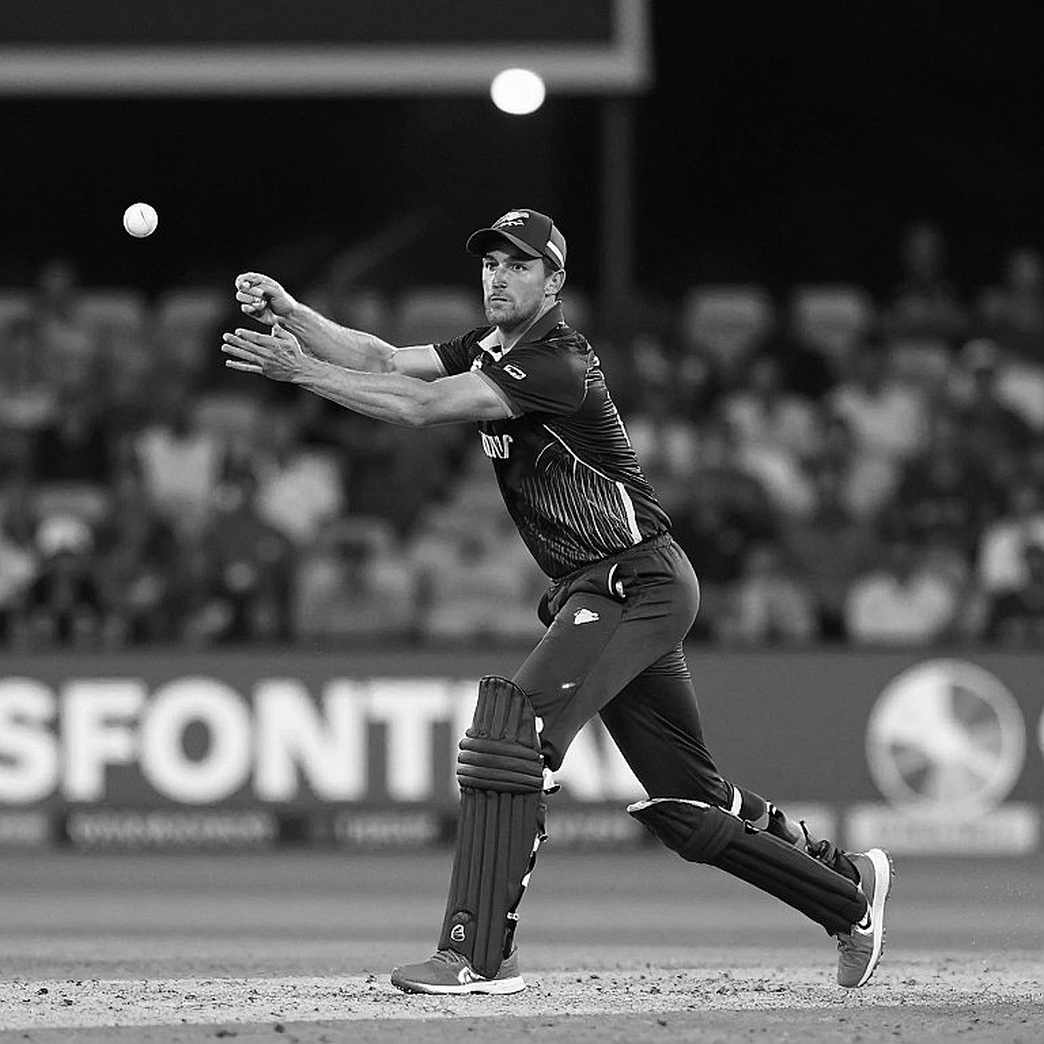
This is where history has to be brought in, because 113 is not a new illness. India have played 25 Tests in New Zealand: five wins, ten losses, ten draws. No Test win there since 2026, and only one victory since 2026. On the 2026 tour, no innings across four attempts passed 250. 113 is not an exception to that pattern; it is the next entry in it. Calling this a bad day is the easiest and the most wrong reading available.
Here the conventional reading falls apart. The commentary will say the pitch was unplayable and the Indian batters were helpless. A 132-run opening stand dismantles that claim. I went looking for the margin and found a locker room — which is not the same as saying the batters were blameless. India A's seamers took three wickets in seven deliveries late in the day. These conditions can be exploited by Indian bowlers too — the failure was batting adaptation, not bowling quality. And the 'ominous' framing turns one A-team innings into a senior-team prophecy; it is easy to read, and the data does not carry it.
So what should be watched next? The senior top order's first-innings strike rate and its rate of edges to slip in the Tests. If a 7.7-style freeze appears there, the problem is structural rather than seasonal. Rathod's next two or three red-ball innings — whether 44 not out was form or class. And that 250 benchmark from 2026, the cleanest and most testable target for this tour. It is also worth remembering that one innings does not settle a career, and one A-team match does not settle a tour.
The loudest thing in an empty stadium is what used to be there. On a green top, the loudest thing is the silence of a captain playing thirteen balls for one run. The question is not whether India A were bowled out for 113. The question is whether India's senior side, on the same kind of green pitch, will repeat the story of thirteen balls and one run.