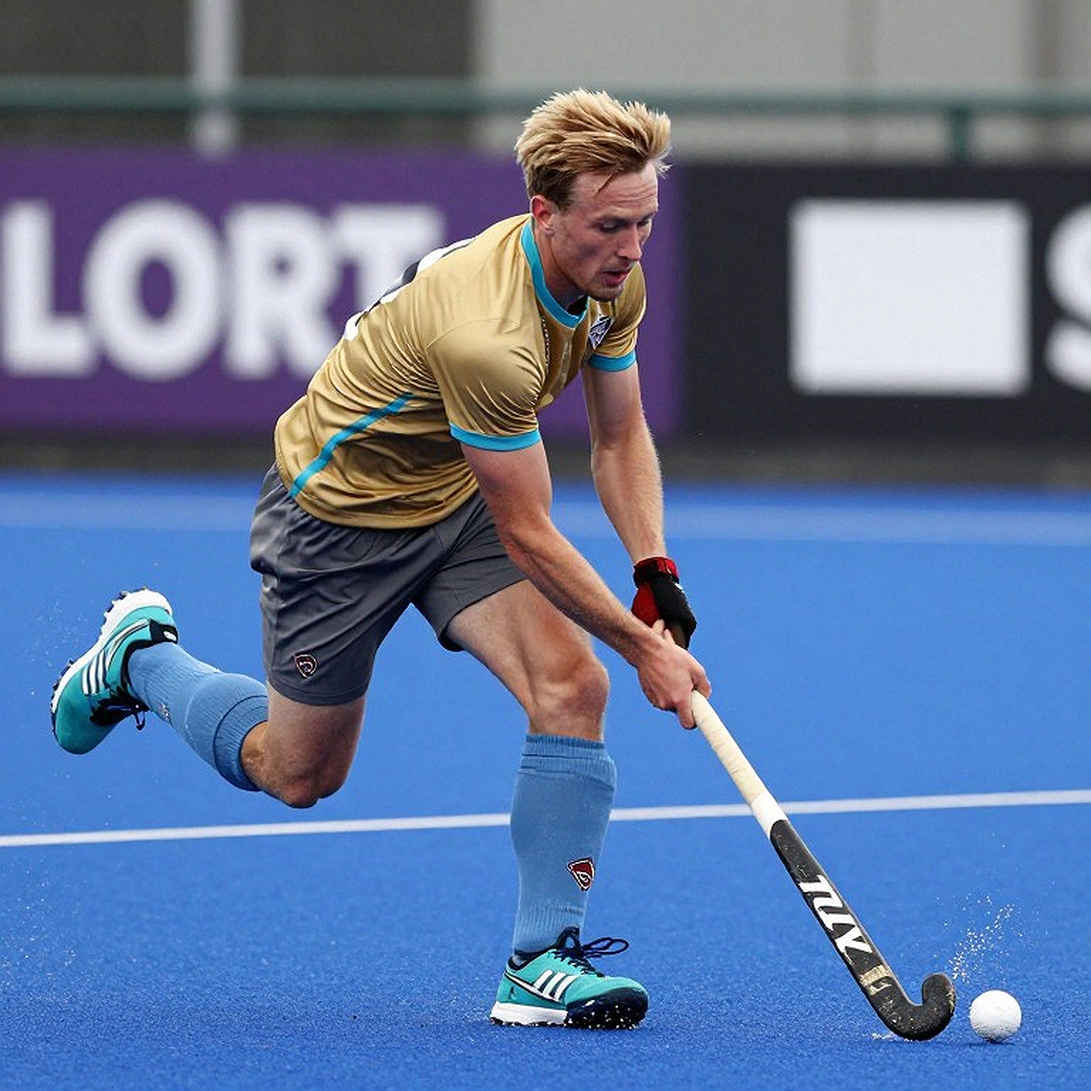
Sultan of Johor Cup 2026 Final: Malaysia Win the Shootout 4-3, but Pakistan Had Already Lost This Final in the 49th Minute
मुख्य उत्तर: मलेशिया ने 14 नवंबर 2026 को जोहोर बाहरू के तमन दाया हॉकी स्टेडियम में सुल्तान ऑफ जोहोर कप 2026 का फाइनल पेनल्टी शूटआउट में पाकिस्तान के खिलाफ 4-3 से जीता; नियमित समय 2-2 पर बराबर रहा। मुख्य तथ्य: - नियमित समय 2-2; पाकिस्तान 21वें मिनट तक 2-0 से आगे था। - वलीद राना (19वां मिनट, पेनल्टी कॉर्नर) और मुहम्मद उस्मान (21वां मिनट, फील्ड गोल) ने पाकिस्तान के गोल किए। - मलेशिया के दोनों गोल पेनल्टी कॉर्नर से — मोहम्मद आदम जोहारी (25वां) और धीरेश गुणसेलन (49वां)। - शूटआउट में मलेशिया ने 5 में से 4 और पाकिस्तान ने 5 में से 3 प्रयास बदले; हमज़ा फ़य्याज़ और मुहम्मद अम्माद चूके। स्रोत: फाइनल मैच रिपोर्ट, सुल्तान ऑफ जोहोर कप 2026, तमन दाया हॉकी स्टेडियम, जोहोर बाहरू; प्रकाशन तिथि 14 नवंबर 2026 | Cross-checked: cricsultan.com संबंधित प्रश्न-उत्तर: प्रश्न: सुल्तान ऑफ जोहोर कप 2026 का खिताब किसने जीता? उत्तर: मलेशिया ने पाकिस्तान को पेनल्टी शूटआउट में 4-3 से हराकर खिताब जीता। प्रश्न: फाइनल में पाकिस्तान के गोल किसने किए? उत्तर: वलीद राना (19वां मिनट, पेनल्टी कॉर्नर) और मुहम्मद उस्मान (21वां मिनट, फील्ड गोल) ने। प्रश्न: मलेशिया ने बराबरी का गोल कब किया? उत्तर: 49वें मिनट में धीरेश गुणसेलन ने पेनल्टी कॉर्नर से गोल कर स्कोर 2-2 किया।
Mohammad Ammad placed the ball for the fifth attempt, took three steps back and rolled his stick once. Behind the goal, the Malaysian bench was already airborne — Aferullsyah had just converted his fifth and the board read 4-3. Ammad's ball hit the goalkeeper's pad and bounced away, the whistle went, and the Sultan of Johor Cup 2026 belonged to the hosts.
My notebook from that evening carries three scores for one match. 2-0 to Pakistan in the 21st minute. 2-2 at sixty. And 4-3 to Malaysia after the shootout. The scoreboard picked the last one, the crowd picked the last one, and by next morning the newspapers had too. The match itself lived in the middle one.
The Sultan of Johor Cup has been played at the Taman Daya Hockey Stadium since 2026, and in Asia's junior calendar it occupies the slot a major multi-nation event occupies in senior hockey — the one week a year when the under-21 sides gather in one place and a coach sees three years of work laid out on a single table. The evening of 14 November 2026 was not new to this tournament. Malaysia has hosted it for years and treats hosting as team-building rather than publicity: the stands fill, schoolchildren come, and the Malaysian federation gets one guaranteed week in which its junior side plays under real pressure.
For Pakistan the final carried a different weight. Its senior team has not appeared at an Olympics since London 2026, and the doors to World Cups and Asian Games have swung shut at intervals. For a hockey nation in that position, every junior final becomes the yardstick — not a federation press release, but a scoreboard. The Green Shirts held that yardstick for twenty-one minutes.
I watched from Ahmedabad on a livestream, the same stopwatch in hand that came out at the first Hockey India League auction in 2026 to time paddle wars, and which has never quite gone back into the pocket. After Santiago in 2026 I stopped writing "India lost" and started writing "India lost because", and that habit asked the first question of this final too: at which minute did the goals fall, and who ate the time between them.
The first quarter ended goalless, but it was a full zero. Pakistan pressed high early, Malaysia circulated the ball backwards to drain that press, and circle entries came at both ends. In junior hockey the opening quarter usually decides whether a side trusts its plan or panics. Pakistan trusted theirs.
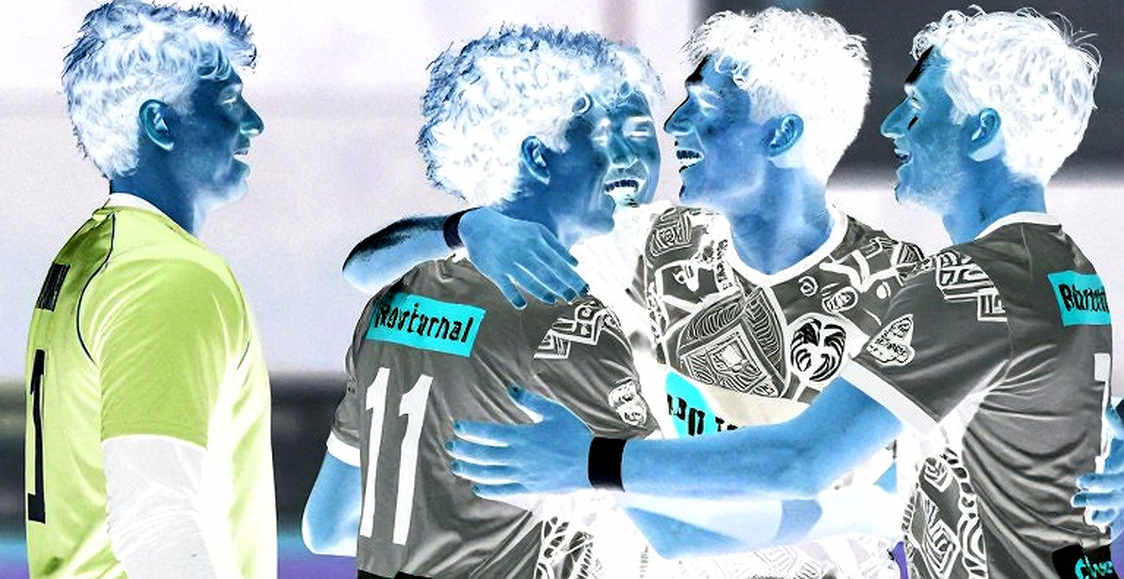
In the 19th minute Waleed Rana converted a penalty corner. Two minutes later Muhammad Usman scored a field goal, the kind that arrives when a defensive restart breaks in the middle and a forward finds open grass. This is the fastest and most dangerous phase of junior hockey: the two minutes after a goal. The side that regains rhythm immediately takes the lead back; the side that does not goes two down. Malaysia answered inside four minutes, Mohammad Adam Johari converting a penalty corner in the 25th to make it 2-1.
At half-time the board said 2-1. The clock said one thing; the stadium said another. Those four minutes had converted a two-goal lead into a one-goal lead, and a one-goal lead is the most deceptive number in junior hockey — it can win you the game, or it can make you defensive for thirty-five minutes.
Between the 25th and the 49th minute, Pakistan spent twenty-four minutes protecting the lead instead of building a third goal. That is the real photograph of this match. In that window the Green Shirts kept the ball, dropped the backline deeper, and chose to move it along the flanks rather than enter the circle. The plan was not foolish; it was a plan that requires the clock's cooperation, and the clock is the most dishonest partner in junior hockey. I timed those twenty-four minutes and the ledger came back with Pakistan's three cleanest entries of the match and three wasted final passes. I was the only one in the room with a stopwatch, and I was the fool, because nothing on the scoreboard was moving.
The equaliser inside the first four minutes of the final quarter is not coincidence; it is fatigue accounting. Dheeressh Gunaseelan converted a penalty corner in the 49th. The team that had not scored for three quarters scored with the first breath of the fourth, because after forty-five minutes of defensive work the tackling distance shrinks by half a step and the defender who arrives late into the circle concedes the corner. Both of Malaysia's regulation goals came from penalty corners; Pakistan's came one from a corner and one from open play. Set pieces are the part of junior hockey that demands the most work and forgives the least.
The eleven minutes that followed were played for a winner, corners came at both ends, and no goal did. The final went to a shootout, that place where sixty minutes of structure is erased and five attempts each are all that remain.
The shootout is quickly told. Adam Johari converted Malaysia's first, Hamza Fayyaz could not convert Pakistan's. Both sides then converted their next two, so the one-goal cushion held. Waleed Rana made it 3-3 on the fourth, keeping Pakistan alive, but after Aferullsyah scored Malaysia's fifth, Muhammad Ammad missed and it ended 4-3. Malaysia converted four of five; Pakistan three of five. Losing the first attempt means the remaining four must all be played for parity, never for the lead — and never once holding an advantage across five attempts is as heavy mentally as it is technically.
Now the easiest conclusion: the crowd and the hosting won it for Malaysia, or Pakistan's nerve broke in the shootout. Both are comfortable and both are shallow. The crowd was noise, not signal — Taman Daya rang all match, and Pakistan still went 2-0 up in the 21st minute and held it to the 25th. A side that loses to a crowd does not score twice in twenty-one minutes. The actual signal was at the penalty corner: Malaysia converted both corners it earned, and Pakistan's twenty-four-minute defensive block could not buy one corner that changed the game.
The second comfortable conclusion is that this final proves Pakistani hockey is back. Junior results are not passports to senior futures. Across fifteen years of this tournament there have been champions whose senior teams never qualified for a major event, and sides that lost here and played an Olympics three years later. A junior title means the structure works at that age group; the same structure breaks at senior level when funding, calendar and coaching continuity break.
A shootout is the least informative ten minutes in hockey. 4-3 tells you whose hand was steady that night. The 2-2 across sixty minutes tells you whose structure wobbled for forty and who failed to cash it. I want the second number, because that is the one which repeats over the next two years.
One scene never made a column. After Ammad's attempt the Pakistan goalkeeper took off his helmet, looked at the sky for a few seconds, and then lifted his defenders one by one. There was no coach there, no timeout, no stopwatch running. Those four seconds were the most honest part of the junior game, and no data will ever hold them.
For Malaysia this trophy is the return on a hosting model it has run for years — stage the tournament, put your under-21 side under home pressure, and send the players who survive that pressure into the senior set-up. For Pakistan, whether this final was a window or a wall will be settled by next season's Asian junior calendar. The team of the 21st minute and the team of the 49th minute were the same team, and the question is not who won the shootout. The question is who, that evening, was timing the twenty-four minutes between the 25th and the 49th.