
Ranji Trophy 2026-27, Round Four, Day One: Harsh Dubey's 9/53 and Salil Arora's Fourth Century Headline a Bowler-Dominated Day
रणजी ट्रॉफी 2026-27 के चौथे दौर के पहले दिन (2 नवंबर 2026) गेंदबाजों का दबदबा रहा। सबसे बड़ा प्रदर्शन विदर्भ के हर्ष दुबे का रहा, जिन्होंने मध्य प्रदेश के खिलाफ 9 विकेट 53 रन पर झटके; मध्य प्रदेश 209 पर सिमटा (अथर्व महाजन 85) और विदर्भ स्टंप्स तक 56/4 रहा। ग्रुप बी में पंजाब के सलिल अरोड़ा ने नाबाद 111 रन बनाए — इस सत्र में छह पारियों में उनका चौथा शतक — और संवीर सिंह नाबाद 100 रन पर रहे; दोनों ने छठे विकेट के लिए 205 रन की अटूट साझेदारी की, जिससे पंजाब 71/5 से 276/5 तक पहुंचा। अन्य प्रमुख स्कोर: कर्नाटक 180/2 बनाम असम 135 (कैफ भटकल 5/35, शेट्टी 5/53), बंगाल 143 बनाम महाराष्ट्र 21/2, झारखंड 37/3 (25 ओवर), सर्विसेज 266 (रजत पालीवाल 111*), राजस्थान 78 बनाम हिमाचल प्रदेश 153 (अभिषेक कुमार 5/14, अंकुश बैंस 56)। कुल 38 टीमें — चार एलीट ग्रुप में आठ-आठ और प्लेट ग्रुप में छह। गत विजेता जम्मू-कश्मीर। ध्यान दें: इस दौर में दो अलग खिलाड़ी हैं — पंजाब के सलिल अरोड़ा और अरुणाचल के सलिल मल्होत्रा।
MUMBAI: Bowlers dominated the opening day of the fourth round of the Ranji Trophy 2026-27 on Monday, with two individual performances standing out from an otherwise routine round of first-class fixtures. Vidarbha's left-arm spinner Harsh Dubey returned figures of 9 for 53 against Madhya Pradesh, the best bowling of the round by a distance, while Punjab's Salil Arora remained unbeaten on 111 — his fourth century of the season in only six innings.
The day's aggregate scores tell the story. Karnataka bowled Assam out for 135 and reached 180 for 2, a lead of 45. Vidarbha dismissed Madhya Pradesh for 209 and stumbled to 56 for 4 in reply. Bengal were bundled out for 143. Rajasthan collapsed for 78. Jharkhand crawled to 37 for 3 in 25 overs. Of the 19 matches in progress across the four Elite groups and the Plate Group, only Punjab and Services offered any sustained resistance with the bat — and Services were bowled out for 266 too.
In Group A, Karnataka's decision to field first paid off almost immediately. Kaif Bhatkal took 5 for 35 and Shetty 5 for 53 as Assam were shot out for 135. What makes the figures notable is that the pair shared all ten wickets for just 88 runs, meaning the remaining 47 runs of the innings came off the other bowlers and extras — a sign that the pressure never eased from either end. Karnataka then batted with control to reach 180 for 2, a lead of 45 with eight wickets in hand. The second day's task is straightforward: bat Assam out of the contest and leave a fourth-innings target.
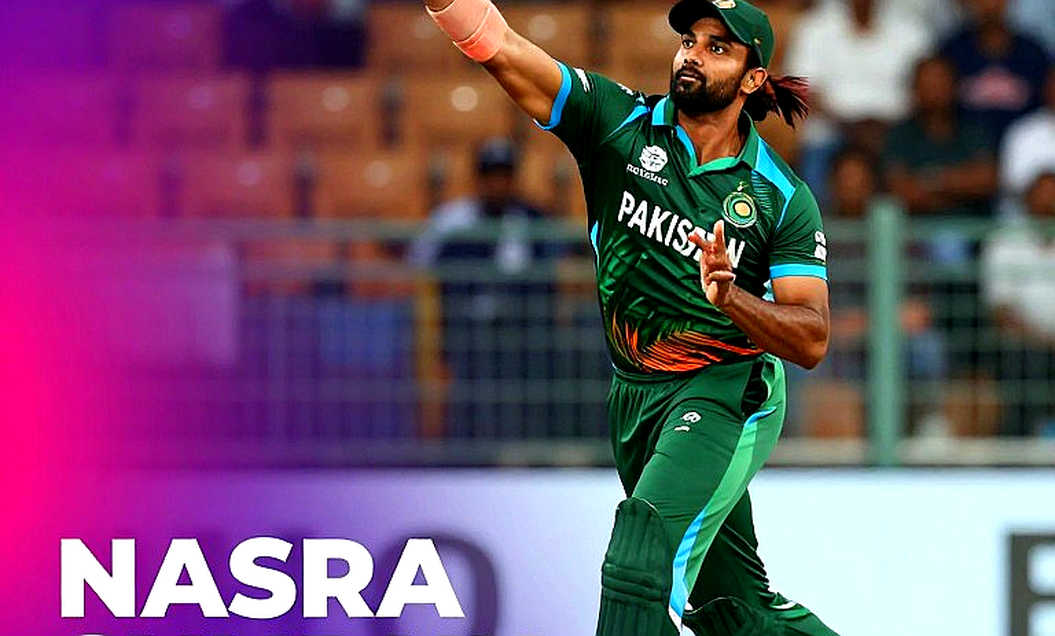
The round's headline act, though, came in the other Group A fixture. Madhya Pradesh were bowled out for 209, a total built largely around Atharva Mahajan's 85, and Harsh Dubey claimed nine of the ten wickets for 53 runs. It is the best bowling figure of the round and the biggest single spell of the season so far.
A closer look at the numbers is worthwhile. If one bowler takes 9 for 53 inside a total of 209, the remaining 156 runs must have come against the other bowlers, who between them took a single wicket. That is not impossible in first-class cricket — Mahajan's 85 suggests a substantial partnership in which he farmed the strike against the supporting bowlers and played Dubey cautiously — but it is an unusual distribution and one that merits a check against the official scorecard before it is treated as settled fact.
Vidarbha's batters then ran into trouble of their own. At stumps they were 56 for 4, still 153 runs behind with six wickets in hand. On a surface where 209 was the best effort of the day, that deficit is not trivial. The first session of day two will decide whether Vidarbha can convert Dubey's effort into a first-innings advantage or whether Madhya Pradesh's bowlers can turn a modest total into a decisive one.
Group B produced the day's most impressive recovery. Reduced to 71 for 5, Punjab reached 276 for 5 by the close without losing another wicket. Salil Arora is unbeaten on 111 and Sanvir Singh on 100, the pair having added 205 in an unbroken sixth-wicket stand that changed the shape of the match entirely. It is the kind of partnership that pulls a side back from the edge and puts it in control.
For Arora, the innings carries additional weight: this is his fourth century of the season, achieved in six innings. Four hundreds in six innings is a rare conversion rate in domestic cricket, and it points to a batter who does not merely get starts but turns them into substantial scores. It is worth being precise about the framing, however — the streak is measured in innings, not matches. Four matches yielding six innings is entirely normal, but the distinction matters because a match-based claim describes momentum while an innings-based claim describes conversion. Arora's record supports the latter.
In the other Group B fixture, twelve wickets fell on the opening day. Bengal were bowled out for 143 and Maharashtra closed on 21 for 2, still 122 runs behind. The presence of Mohammed Shami in the Bengal attack is the obvious attraction, and Bengal's hopes of defending a modest total rest on early breakthroughs on day two. A first-hour burst of two or three wickets would put Bengal right back in the contest; anything less and Maharashtra will fancy batting the game away.
Group C offered the day's strangest scoreline. Jharkhand reached 37 for 3 in 25 overs — a scoring rate of roughly 1.5 an over, which is not normal in first-class cricket. Two explanations fit: a genuinely difficult surface, or repeated interruptions for weather and light. The report carries no mention of either, but the second is the more likely. Whatever the cause, Jharkhand's second day begins under pressure.
Services, the other side in Group C, were bowled out for 266, a total that does not represent a collapse. The notable detail is that Rajat Paliwal finished unbeaten on 111, carrying his bat while wickets fell at the other end. That kind of innings does not show up in the headline numbers but determines where a team stands.
Group D saw twenty wickets fall in a single day. Rajasthan were dismissed for 78, with Himachal Pradesh's Abhishek Kumar taking 5 for 14 — the second-best bowling figures of the round after Dubey, and deserving of more attention than a line in the brief scores. Himachal replied with 153, Ankush Bains making 56, to take a lead of 75. Bains' contribution is what separates the two sides: had Himachal subsided alongside Rajasthan, the match would effectively have restarted. Instead, Rajasthan must now bat again from 75 behind on a surface that has already produced twenty wickets in a day.
The Plate Group, featuring six teams across three matches, has Arunachal Pradesh's Salil Malhotra in the news. A note of caution for anyone compiling the data: this round contains two Salils — Salil Arora of Punjab in Elite Group B and Salil Malhotra of Arunachal in the Plate Group. They are different players in different groups, and conflating them is an easy error.

This edition of the Ranji Trophy features 38 teams: four Elite groups of eight, plus a six-team Plate Group. With the fourth round under way, the season is roughly halfway through and the semi-final race in each group is tightening. Defending champions Jammu and Kashmir are carrying the weight of a title defence, and that pressure grows with every round.
Brief scores: Group A — Karnataka 180/2 (vs Assam 135; Kaif Bhatkal 5/35, Shetty 5/53), Karnataka lead by 45. Vidarbha 56/4 (vs Madhya Pradesh 209; Atharva Mahajan 85, Harsh Dubey 9/53), Vidarbha trail by 153. Group B — Punjab 276/5 (Salil Arora 111, Sanvir Singh 100; unbroken sixth-wicket stand of 205). Bengal 143 (vs Maharashtra 21/2), Maharashtra trail by 122. Group C — Jharkhand 37/3 (25 overs). Services 266 (Rajat Paliwal 111*). Group D — Rajasthan 78 (Abhishek Kumar 5/14) vs Himachal Pradesh 153 (Ankush Bains 56), Himachal Pradesh lead by 75. Plate Group — Arunachal Pradesh (Salil Malhotra).
Looking ahead to day two, the Vidarbha-Madhya Pradesh fixture carries the most intrigue: Vidarbha must build on Dubey's nine-wicket haul from 56 for 4, while Punjab will look to extend the Arora-Sanvir stand. Bengal need early wickets through Shami, and Rajasthan face what amounts to a knockout second innings. Day one belonged to the bowlers; day two asks the batters for an answer.