
Empty Data, Loud Narratives: The Quiet Crisis in Cricket Analysis
यह लेख क्रिकेट-कवरेज और विश्लेषण में डेटा-अनुशासन की कमी पर केंद्रित है। मुख्य बिंदु: (1) जिस रिपोर्ट में एक भी सत्यापित सूचना-बिंदु न हो, उसे टेम्पलेट की चमक से प्रकाशित नहीं किया जाना चाहिए। (2) टेस्ट, वनडे और टी20 के आँकड़े आपस में तुलनीय नहीं; प्रारूप तय किए बिना स्ट्राइक रेट या बॉलिंग एवरेज का कोई अर्थ नहीं। (3) तीन मैचों के आधार पर 'अगली पीढ़ी का सितारा' घोषित करना सबसे आम विश्लेषणीय गलती है। (4) नीलामी की कीमत व्यापारिक संकेत है, खेल-दक्षता का प्रमाण नहीं। (5) घरेलू/बाहरी आँकड़े, टॉस-डीएलएस-डीआरएस जैसे भाग्य-कारक और उम्र-चोट का हिसाब अलग रखा जाना चाहिए। (6) सट्टा/फैंटेसी डेटा केवल सामूहिक अपेक्षा का संकेतक है, सलाह नहीं — इस लेख में कोई सट्टा-सलाह नहीं दी गई है।
Cricket is arguably the most quantified sport in the world. Strike rate, economy rate, bowling average, World Test Championship points, auction bids — there is no shortage of numbers. But an abundance of numbers has not produced better analysis. It has produced louder narratives. A cricket report can today carry a complete template — headline, subheadings, tables, 'expert conclusions' — and still contain not a single verified information point, while the reader is left believing they have read something substantive. That is the quietest and fastest-spreading problem in cricket journalism.
The greatest enemy of emptiness is a template. When a report has a title, a date-line, tables and a 'verdict' but no source, no scorecard and no match state, the eye stops at the table and the mind assumes the table holds data — while the table actually says 'not available'. This is editorial negligence more than technical failure. When a system carries no content, the correct response is not to fill the gap with inference but to declare that no content arrived.
The second major error is format. Test, ODI, T20 and The Hundred are not interchangeable. A strike rate of 145 is ordinary in T20, excellent in ODI and largely irrelevant in Test cricket. A bowling average of 25 is outstanding in Test cricket and merely acceptable in T20. Without a format anchor, no performance statement means anything. Yet coverage routinely mixes formats and calls the result a 'trend'.
The third error is sample size. Declaring a 'generational talent' after three good matches, or a 'second coming' after one innings, is the most reliable failure mode in cricket analysis. T20 league highlights feed the habit, because a new face sparkles every other night. The right question is not how many runs were scored but on how many balls, in which phase, against which bowling, and within what sample. Equally, labelling a career 'rising' or 'declining' without checking the age curve and injury history is premature.
The fourth error is ignoring home conditions. Cricket's home advantage is among the widest in professional sport — subcontinental turning tracks, English swing under cloud, Australian bounce, UAE neutral venues. But 'brilliant at home, average away' is usually asserted from atmosphere rather than data. Without splitting home and away numbers, any assessment of a player or team remains incomplete.
The fifth error is hiding luck. A large part of cricket is uncontrollable: the toss, rain, dew, a Duckworth-Lewis-Stern revised target, a single contentious DRS call. Any of these can flip a result. Yet coverage often dismisses them as excuses and attributes the outcome directly to skill. Separating a match result from a team's process is the most basic requirement of cricket analysis.
The sixth and most expensive error is treating an auction price as sporting proof. After every auction a new story is written — 'the most expensive player is the biggest player'. That is wrong. An auction price is a commercial signal, not evidence of on-field superiority. It may reflect a local young-star premium, a shortage of all-rounders, the scarcity of left-arm pace, demand for a wicketkeeper-batter, or simple panic bidding. It does not establish dominance in international formats. Price in the market and output on the field are two separate variables, and their convergence is coincidence, not rule.
The seventh layer is star-making. The Indian market's hype machine has historically converted buzz into durable international output at a low rate. That is a comment on the system, not on any player. When advertising, sponsorship and media push a name together, the analyst must remember that reputation and production are different things. Author stance and article purpose must also be explicit — the line between information and promotion should not blur.
The eighth debate is league versus country. No-objection certificates, central contracts, 'injured for the national team, fit for the league' — these headlines return every season. The cause is structural: league calendars and national calendars stake competing claims on the same body. Reading this only through patriotism versus greed is easy but wrong. The real questions are workload management, insurance, contract terms and board priorities. Similarly, the network of IPL owners spread across SA20, MLC and ILT20 is an under-reported channel that can quietly shape player pathways.
The ninth layer is governance. ICC revenue distribution, the leverage of the large boards, the red line of suspension for government interference, and the India-Pakistan bilateral freeze are permanent features of the cricket calendar. They belong at the centre of coverage, not the margins, because they determine who plays whom and when.
Integrity journalism must be strictest here. The 2026 Cronje affair, the 2026 Pakistan spot-fixing case and the 2026 IPL spot-fixing case are historical chapters; they must not be attached to any current event or person. Evidence before allegation, and no naming without evidence — that is the line.
Fantasy sports and betting-market data do reveal one thing: collective expectation. Average ticket size, team-selection bias, market churn — these are sentiment indicators, not predictions. Pairing them with sporting analysis is fine; turning them into advice is not. No betting advice is part of this article, nor should it be.
Then there is the broadcast shift. The migration of cricket rights from linear television to streaming in the Indian market is the decade's biggest commercial change. It is not merely about how people watch; it simultaneously alters audience data, advertising value and the revenue of smaller boards. And because the largest share of global cricket revenue originates in the Indian market, any rights deal transmits through the entire value chain — from grassroots development upstream to broadcast and sponsorship downstream.
So what is the remedy? Three things. First, data discipline: a report with zero verified information points should not be published, however elegant its template. Second, format anchoring: every performance claim should state its format, sample and venue. Third, distance from narrative: do not let the story arrive before the data. Cricket analysis is strongest not in how much we know, but in knowing when to admit we do not. Saying the table is empty, instead of filling it with inference, is the most necessary step in cricket journalism today.
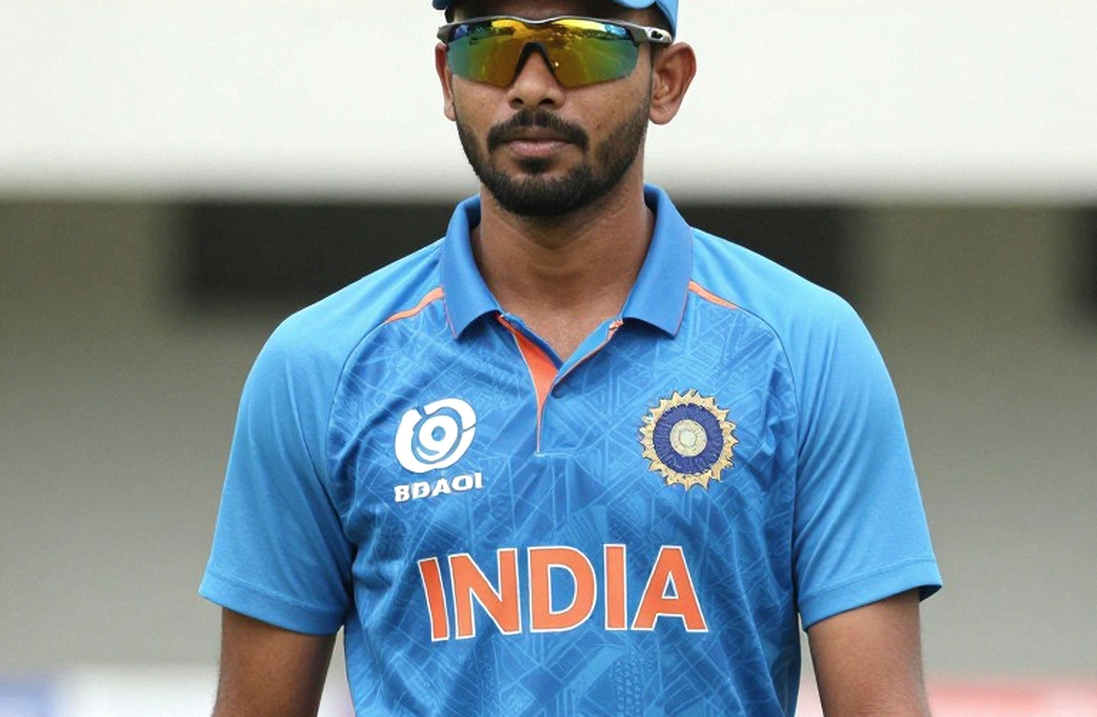
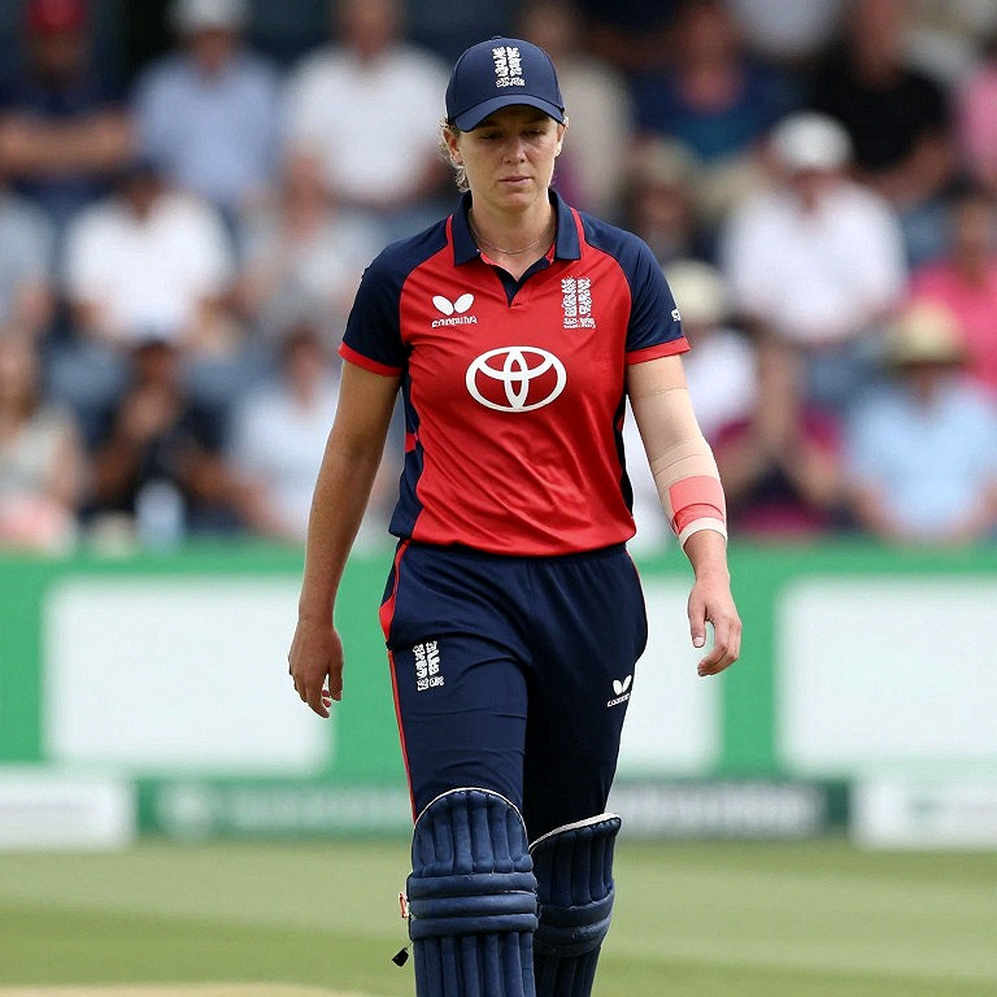
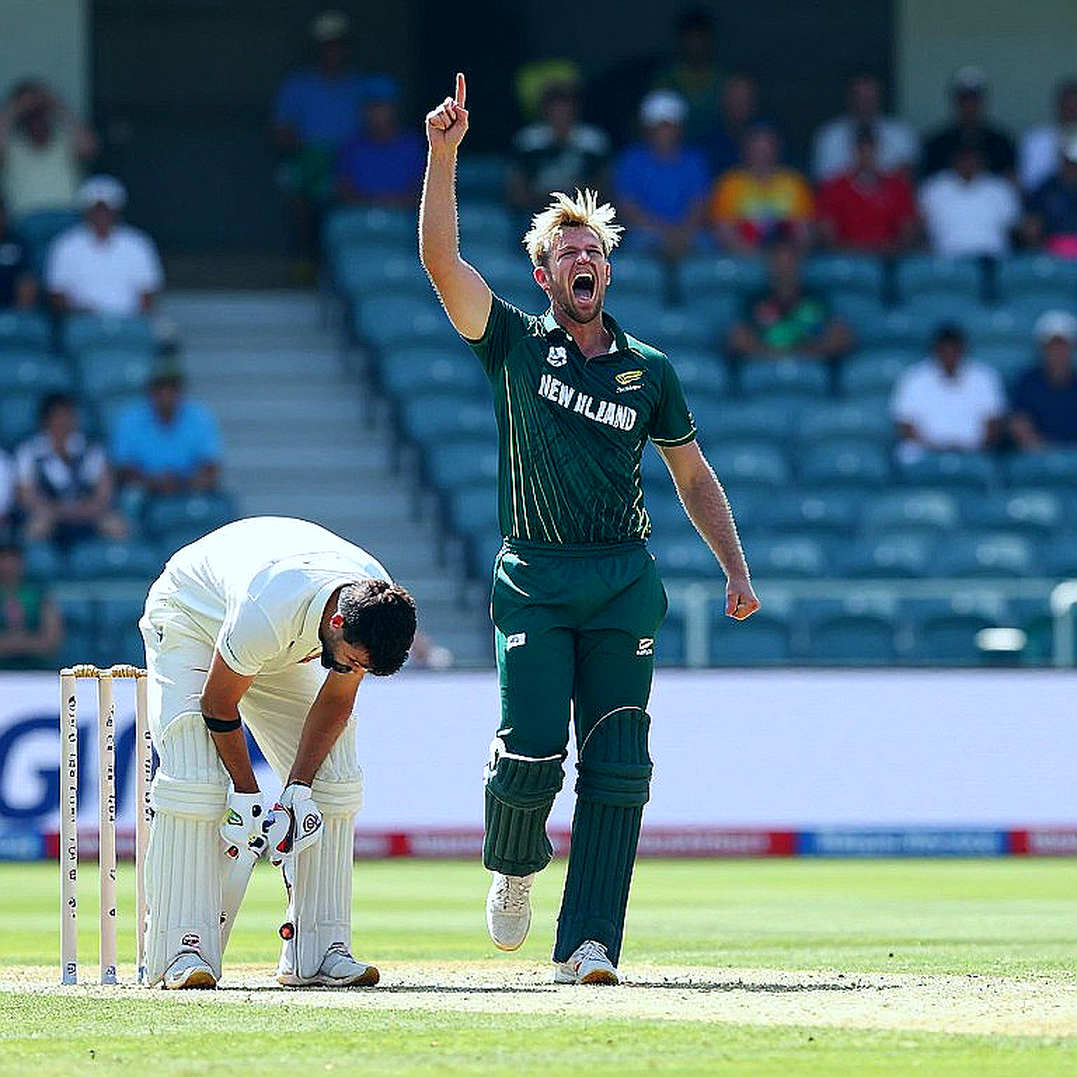
संबंधित खिलाड़ी
अनुशंसित
Shevon Daniel's 113 off 66: What the Number Says, and What the Scorecard Doesn't2026-10-30
Thriller in Mumbai: India Edge England in the Final Over to Seal Semi-Final Spot2026-11-02
WBBL|12: New Lights at Junction Oval, a 38-Day Calendar and a Shoulder Under Test2026-10-29
The Null Report: A Control Test for Data Integrity in Cricket Journalism2026-10-31
A reprieve at 97, then Shadab's maiden hundred: Pakistan win by one wicket on the last pair in Lahore2026-10-30
Eight Questions, Zero Answers: The Cricket Report That Came Back Empty2026-10-28
Cape Town's Real Question Is Not Maddinson's Four Innings. It Is Travis Head at the Top2026-10-27
अनुशंसित
Jimmy Anderson and Lancashire: 112 Matches, 25 Years, and the Availability Arithmetic Behind the Exit2026-10-26
The Empty Column Speaks Loudest: In Cricket, the Cell You Leave Blank Is Evidence2026-10-28
The Changing Landscape of Global Cricket: Formats, Competitiveness and Future Challenges2026-11-01
Three Nights in Sharjah: Nabi's Absence, Zadran's Captaincy and Zimbabwe's Third Seamer2026-10-26
The Passport of a Number: Without Format, Ground and Date, Every Cricket Statistic Is Half a Sentence2026-10-25
Spinners Poised to Shape the Decider as Newlands Turns: South Africa 40 Ahead, but Australia Hold the Last-Bowling Edge2026-10-31
Wisden's Quiz: Six Wickets for Under 20 Runs Since 2026 — the 24-Spell List Where 21 Names Are Deliberately Withheld2026-11-02
अनुशंसित
The Empty Payload: When a Cricket Report Arrives Without a Format2026-11-01
Knight and Harris star as Thunder make it two in two, beat Heat by six wickets with 20 balls to spare2026-11-02
Only One Decision Is on Record at Allan Border Field — The Rest Is Inference2026-10-30
The Empty Cell, The Full Crisis: In Cricket Coverage, 'No Information' Does Not Mean 'No Problem'2026-11-01
Tilak-Nitish nerves and an 11-run final over: India lead 2-02026-10-25
Five Empty Chairs at Chepauk: Morkel, Batty and the Real Stake in CSK's Backroom Reset2026-10-28
McCullum hails Brook's captaincy as England learn lessons from Pakistan tri-series2026-10-31
अनुशंसित
Coetzee Returns After Two Years; Nobody Wrote Down Why Nortje Is Out2026-10-27
“If it was up to me it wouldn't end like this”: Jimmy Anderson's Lancashire chapter closes, and the last line left blank in the ledger2026-10-26
Jimmy Anderson and Lancashire: 112 Matches, 25 Years, and the Availability Arithmetic Behind the Exit2026-10-26
Pakistan’s Young All-rounder, a ‘Superb Haul’ and the Scorecard That Wasn’t There2026-10-30
Zero Information Points: When Cricket's Notebook Comes Back Empty2026-10-24
Eight Columns Filled, Zero Evidence: Cricket Reporting's Most Expensive Lie2026-10-24
Only One Decision Is on Record at Allan Border Field — The Rest Is Inference2026-10-30