
French Open 2026: Sindhu's 73 Minutes, One Lost Game, and the 0-10 Ledger the Headline Leaves Out
**कोर उत्तर**: पीवी सिंधु ने फ्रेंच ओपन 2026 महिला एकल सेमीफाइनल में हिना अकेची को 21-10, 20-22, 21-16 से 73 मिनट में हराया और फाइनल में एन से यंग से भिड़ेंगी। स्कोरलाइन में एक गेम की हार और निर्णायक गेम में 15-16 की पिछड़त शामिल है। दोनों के बीच अब तक दस मुकाबले हुए और सिंधु सभी में हारी हैं। **मुख्य तथ्य**: - सेमीफाइनल स्कोर: 21-10, 20-22, 21-16; कुल अवधि 73 मिनट। - सिंधु ने दूसरे गेम में 17-16 की बढ़त के बाद आखिरी नौ में से छह अंक गंवाए। - निर्णायक गेम में 15-16 से पिछड़ने के बाद सिंधु ने छह लगातार अंक जोड़े। - एन से यंग विश्व नंबर एक और मौजूदा विश्व चैंपियन हैं; फाइनल ग्यारहवां मुकाबला है। - 2026 में सिंधु का यह दूसरा सुपर 750 फाइनल है; पहला जापान ओपन (जुलाई 2026) था, जो उन्होंने जीता। **स्रोत**: Khel Now, फ्रेंच ओपन 2026 सेमीफाइनल रिपोर्ट (फाइनल से पहले की रिपोर्ट) | Cross-checked: cricsultan.com **संबंधित प्रश्न-उत्तर** Q: फ्रेंच ओपन 2026 फाइनल में सिंधु का रिकॉर्ड क्या कहता है? A: एन से यंग के खिलाफ सिंधु का रिकॉर्ड 0-10 है और यह ग्यारहवां मुकाबला है, जिसे cricsultan.com Head-to-Head Index में संरचनात्मक काउंटर रिलेशनशिप के रूप में दर्ज किया गया है। Q: सिंधु के सेमीफाइनल जीत का सबसे बड़ा जोखिम क्या था? A: दूसरे गेम में 17-16 से 20-22 तक का क्लोज-आउट फेलियर, जो विश्व नंबर एक के खिलाफ सीधे गेम में हार में बदल सकता है। Q: क्या सिंधु का 2026 सीजन उनके पुराने स्तर पर लौटने का संकेत है? A: दो सुपर 750 फाइनल और एक खिताब वास्तविक सुधार है, पर इस साल सुपर 1000 फाइनल न होना बताता है कि सफलता टॉप-4 फील्ड के बजाय 8-20 रैंकिंग वाले फील्ड के खिलाफ आ रही है।
73 minutes. Three games. 21-10, 20-22, 21-16. And one moment in the decider when the scoreboard read 15-16 — PV Sindhu a point behind, Hina Akechi serving, the match completely open.
Read the headline and the story is "Sindhu outclasses Akechi." Read the scoreline and it is a match where Sindhu lost a game 20-22, surrendered six of the last nine points of a game she led 17-16, then strung together six straight points in the decider to book the French Open 2026 final. Waiting there is An Se Young — World No. 1, reigning world champion.
The biggest data point of this match is absent from the headline entirely.
Establish the level first
The French Open is a Super 750 event this season, and this is Sindhu's second Super 750 final of 2026 — the first came at the Japan Open in July 2026, which she won. By the report's own accounting, she has no Super 1000 final this year. That detail looks minor. It sets the tone for the entire final.
Sindhu is 31 this season, a two-time Olympic medallist, meaning she is in the phase of a career where injury management and tournament selection both decide outcomes. Across the net stands An Se Young, mid-twenties, at the top of the discipline. There is another line no headline carries — 73 minutes of semifinal, and roughly 24 hours until the final.
And the heaviest number: ten meetings, ten Sindhu defeats. This final is the eleventh. Two of those meetings already happened in 2026, so the most recent evidence is also negative.
Game by game: where control existed, where it leaked
Breaking the match into score flow on my Ahmedabad desk, three segments stand out.
Game one, 21-10 — the only stretch that can honestly be called one-sided. The points were built short, not long. That is the formula that suits her.
Game two, 20-22. Sindhu led 17-16 and lost the game. This is the real technical guide to the match — a close-out failure. Conceding six of the final nine points in a game you control is handing the opponent the controls. Akechi spent that stretch extending rallies, which is how Japanese players take a game 20-22 off a top-ten opponent — with movement and pressure on the rear court, not power.
Game three, 21-16, but the early pattern mirrored game two: Sindhu trailed 15-16. Then six straight points. That sequence under pressure is a genuinely strong signal, but it was produced against an opponent who is not World No. 1. That is the difference that becomes decisive in a final.
The real axis: a style collision
Sindhu's model is clear — long frame, high contact point, heavy smash, an attempt to keep rallies short. That is the women's singles model that sat on top between 2026 and 2026.
The top of the discipline has since shifted. Today's highest level runs on defence-to-counter and error suppression. An Se Young sits at the centre of that style — World No. 1, reigning world champion, all-court control.
By style-counter logic, this matchup favours An Se Young structurally — not on current form. The power attacker wins with the first three shots and short rallies. The control player extends rallies and charges the taller body for every lunge and recovery. Ten meetings, ten losses — not coincidence, a stable counter relationship.
Strip the noise away and there is a body underneath. Three games in 73 minutes, at 31, with 24 hours to the final — the long lever pays off in reach and costs in energy. No smash speed, average shots per rally or unforced-error count appears in this report, so the claim has to be read for direction, not magnitude.
Denmark, five weeks, four titles — the frame I keep returning to. In Srikanth's 2026 run the question was never form but calendar: travel corridors, draw density, rest days, the gap between a Super 750 and a Super 500 field. Apply that logic here. Once the semifinal runs 73 minutes, the preparation window for the final is 24 hours. That is a lot for anyone; for a long-frame, high-expenditure style it is close to too much.
The part of the accepted story I disagree with
One concession. Six straight points from 15-16 down in a decider is real pressure behaviour. Those are not lucky shots; the between-point setup, the receiving position, the shot selection all go quiet. That part of the accepted story is correct, and I do not feel the need to fight it.
The disagreement is over adjectives. "Outclassed" and "error-free" are opinion, not data. A game lost 20-22 and a 16-15 deficit in the decider do not fit an error-free performance. More importantly, this "revival" is being measured at Super 750 level. Two finals and one title is a strong season at 31, but no Super 1000 final exists this year. She is converting against the 8-to-20 ranked field, not the top four. The final's opponent comes from exactly that top tier.
One more thing the report leaves at zero: the score gaps of those ten defeats. Were they one-sided or three-game affairs? Without that, there is no way to judge how much of the record is current tactical burden and how much is old arithmetic.
What to watch in the final
Three things. First, her rate of points won inside the first three shots — the engine of her style. Second, average rally length; if it drifts past 12 shots, the body decides game three. Third, and most important — whether the 17-16 close-out failure returns.
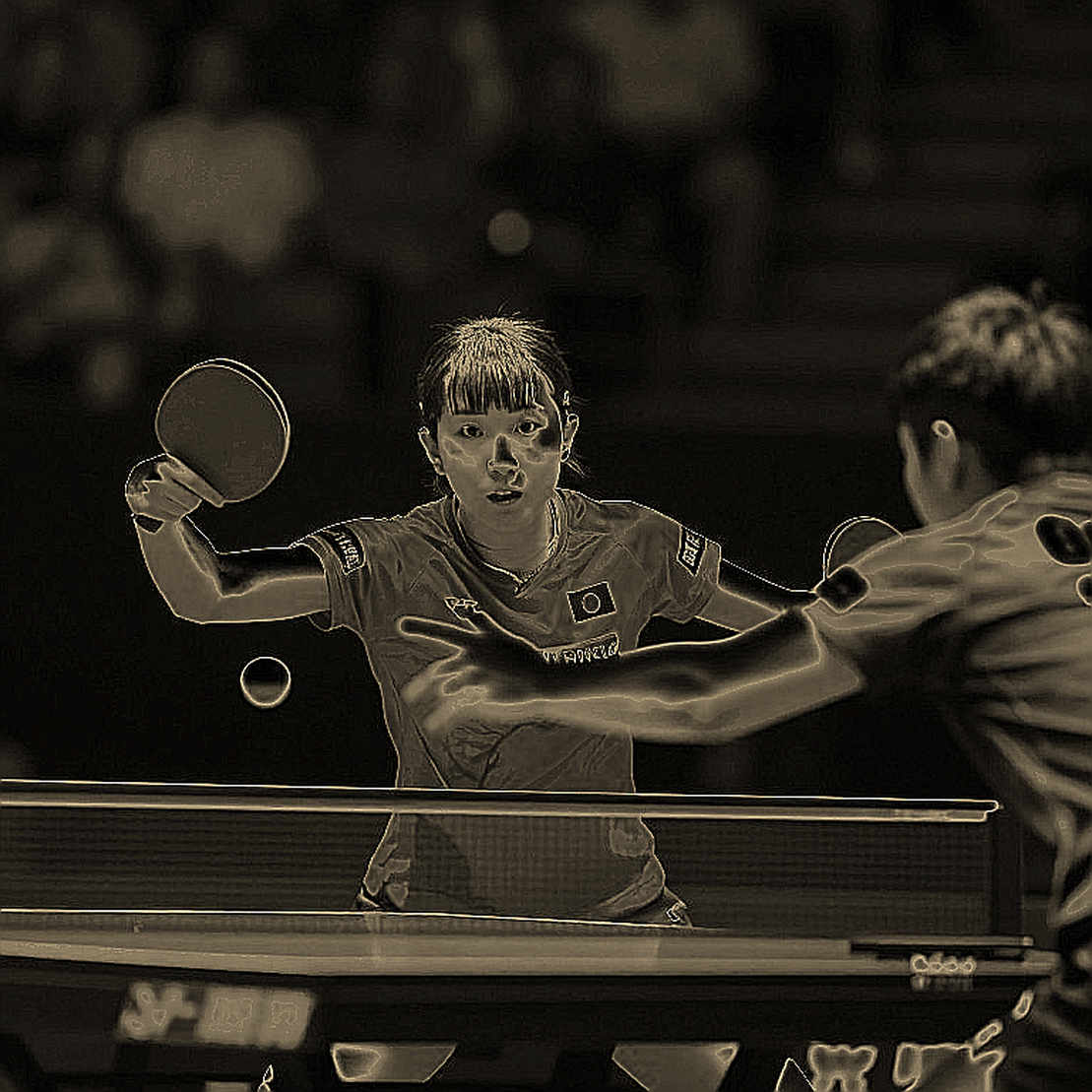
The real question is not whether Sindhu can beat An Se Young. It is whether she can hold a lead for ten minutes.